All Names
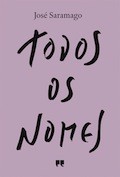
Superficially, one might say it's a novel about death and the dead, even featuring a huge, absurd cemetery. But no, it's not like that; it's a work about life.
Foundation
Portugal
Porto Editora
2015 (1st edition by Porto Editora; 12th edition)
Language
Portuguese
The calligraphy on the cover is by filmmaker Miguel Gonçalves Mendes.
The protagonist is a middle-aged man, a low-level employee at the Civil Registry Archive. This employee has a pet peeve about collecting newspaper and magazine articles about famous people. One day he notices the lack of accurate information about the birth (date, place of birth, parents' names, etc.) of these people in his collections. He therefore dedicates himself to copying the respective data from the files found in the archive. By chance, the file of an ordinary person (a woman) gets mixed up with others he is copying. The sudden contrast between what is known and what is unknown awakens in him the need to know the life of this woman. Thus begins a quest, a search for the other.

Leya
1997, 11th ed.
Language
Portuguese
The protagonist is a middle-aged man, a low-level employee at the Civil Registry Archive. This employee has a pet peeve about collecting newspaper and magazine articles about famous people. One day he notices the lack of accurate information about the birth (date, place of birth, parents' names, etc.) of these people in his collections. He therefore dedicates himself to copying the respective data from the files found in the archive. By chance, the file of an ordinary person (a woman) gets mixed up with others he is copying. The sudden contrast between what is known and what is unknown awakens in him the need to know the life of this woman. Thus begins a quest, a search for the other.
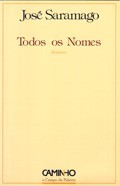
Editorial Path
2010
Language
Portuguese
The protagonist is a middle-aged man, a low-level employee at the Civil Registry Archive. This employee has a pet peeve about collecting newspaper and magazine articles about famous people. One day he notices the lack of accurate information about the birth (date, place of birth, parents' names, etc.) of these people in his collections. He therefore dedicates himself to copying the respective data from the files found in the archive. By chance, the file of an ordinary person (a woman) gets mixed up with others he is copying. The sudden contrast between what is known and what is unknown awakens in him the need to know the life of this woman. Thus begins a quest, a search for the other.
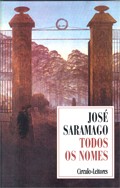
Circle of Readers
1998
Language
Portuguese
Circle of Readers
1998
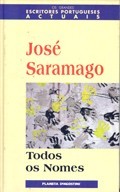
Agostini's Planet
2000
Language
Portuguese
Agostini's Planet
2000
Germany

Senhor José ist um die fünfzig und arbeitet im zentralen Personenstandsregister seiner Stadt, das alle relevantn Informationen zu Leben und Tod ihrer Bewohner dokumentiert. Privat sammelt er Zeitungsausschnitte über berühmte Persönlichkeiten, wobei er immer mal wieder auf die Akten seiner Behörde zurückgreift. Eines Tages gerät ihm zufällig die Karteikarte einer unbekannten Frau zwischen die Unterlagen. Neugierig geworden, macht er sich auf die Suche nach weiteren Informationen über die Unbekannte und gerät dabei auf gefährliche Abwege.
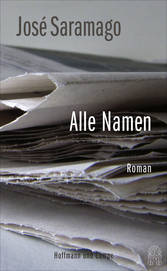
Senhor José ist um die fünfzig und arbeitet im zentralen Personenstandsregister seiner Stadt, das alle relevantn Informationen zu Leben und Tod ihrer Bewohner dokumentiert. Privat sammelt er Zeitungsausschnitte über berühmte Persönlichkeiten, wobei er immer mal wieder auf die Akten seiner Behörde zurückgreift. Eines Tages gerät ihm zufällig die Karteikarte einer unbekannten Frau zwischen die Unterlagen. Neugierig geworden, macht er sich auf die Suche nach weiteren Informationen über die Unbekannte und gerät dabei auf gefährliche Abwege.
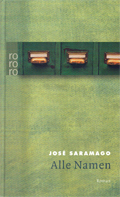
Senhor José ist Amtschreiber. Als ihm die Karteikarte einer unbekannte Frau in die Hände fällt, stürzt ihn das in ein Abenteuer. Er will alles über sie wissen.
Senhor José ist Amtschreiber. Als ihm die Karteikarte einer unbekannte Frau in die Hände fällt, stürzt ihn das in ein Abenteuer. Er will alles über sie wissen.
Argentina

«All names are the most intense love story in Portuguese literature of all time.» Eduardo LourençoAll the names are the story of the adventures of a “sinless” José, even though he is the only one who appears in history. In his apparent humility, in his authentic soldiery, in his lack of good material and affection and, above all, in his inalienable human dignity, this don José is close to other literary characters: Bouvard and Pécuchet, Flaubert's encyclopedic copyists; Melville's obstinate Bartleby; the metaphysician Bernardo Soares de Pessoa…Don José began cultivating his innocent passion for collecting news about famous people. However, to ensure reliability, he decides to complete them with documents from the Civil Registry where he works. It forces him to commit infractions against the rules and lead adventures that he had never believed capable of. «Saramago opts for individual subversion against the oppression of the cataloging authorities, for the disorder of life against the disorder of death. And everything with a style that seems to have been achieved, above simplicity, above subtlety. All names are one of these few books that still deserve to be defined as a classic.» Leyla Perrone-Moisés
Brazil

The calligraphy on the cover is by the actress Fernanda Montenegro.
The story of an obscure archivist whose hobby is collecting newspaper clippings about famous people. In a kind of Kafkaesque plot in reverse, he abandons his labyrinth of papers and his habits of rectitude, driven by the obsession to find an unknown woman.
Company of Letters
1997
Language
Portuguese
All the Names, Saramago's tenth book published by Companhia das Letras, is the story of a modest clerk at the General Registry Office, Mr. José, whose hobby is collecting newspaper clippings about famous people. One day his curiosity will focus on a clipping that chance places before him: the woman depicted there is not famous, but the clerk will want to meet her at all costs. Abandoning his habits of rectitude, he will be willing to commit petty crimes to achieve what he desires: small lies that will give life an unknown intensity. In a kind of Kafkaesque plot in reverse, the little bureaucrat becomes entangled in the imprecision of the information he himself accumulates and ends up forced to go out into the world, to leave the intricacies of his monumental archive, in search of data that, ultimately, maintain some fidelity to life.
Company of Letters
Language
Portuguese
All the Names, Saramago's tenth book published by Companhia das Letras, is the story of a modest clerk at the General Registry Office, Mr. José, whose hobby is collecting newspaper clippings about famous people. One day his curiosity will focus on a clipping that chance places before him: the woman depicted there is not famous, but the clerk will want to meet her at all costs. Abandoning his habits of rectitude, he will be willing to commit petty crimes to achieve what he desires: small lies that will give life an unknown intensity. In a kind of Kafkaesque plot in reverse, the little bureaucrat becomes entangled in the imprecision of the information he himself accumulates and ends up forced to go out into the world, to leave the intricacies of his monumental archive, in search of data that, ultimately, maintain some fidelity to life.
Korea
Spain
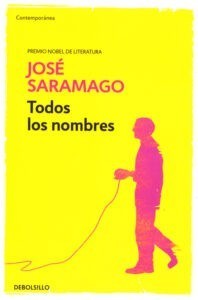
Alfaguara / Penguin Random House
2015 (DeBolsillo — Contemporánea) (Trans.: Pilar del Río)
Language
Spanish
The most intense love story in Portuguese literature can now be found within the José Saramago Library, a collection dedicated to the 1998 Nobel Prize.
In the oppressive, closed and polluted environment of the General Civil Registry Office, he works as a scribe, Don José, a lonely man who one day ago decides to create his private registry of famous people. Not content with the data that provides periodicals and magazines, it's up to you to complete them with those you pose, just by hand, in the Registry. For this there will be no more remedy than violating any of the Conservaduría norms.
There is a review…
«All names are the most intense love story in Portuguese literature of all time.»
Eduardo Lourenço
«Like Günter Grass or Ces Nooteboom, Saramago aspires to engage with an audience that goes beyond national limits.»
The Country
Alfaguara / Penguin Random House
2011 (Saramago Library Collection) (Trans.: Pilar del Río)
Language
Spanish
The most intense love story in Portuguese literature can now be found within the José Saramago Library, a collection dedicated to the 1998 Nobel Prize.
In the oppressive, closed and polluted environment of the General Civil Registry Office, he works as a scribe, Don José, a lonely man who one day ago decides to create his private registry of famous people. Not content with the data that provides periodicals and magazines, it's up to you to complete them with those you pose, just by hand, in the Registry. For this there will be no more remedy than violating any of the Conservaduría norms.
There is a review…
«All names are the most intense love story in Portuguese literature of all time.»
Eduardo Lourenço
«Like Günter Grass or Ces Nooteboom, Saramago aspires to engage with an audience that goes beyond national limits.»
The Country
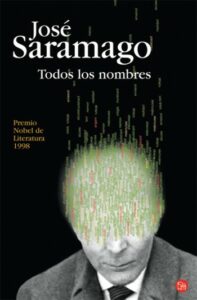
Alfaguara / Penguin Random House
1998 (Punto de lectura - pocket edition) (Trans.: Pilar del Río)
Language
Spanish
The most intense love story in Portuguese literature can now be found within the José Saramago Library, a collection dedicated to the 1998 Nobel Prize.
In the oppressive, closed and polluted environment of the General Civil Registry Office, he works as a scribe, Don José, a lonely man who one day ago decides to create his private registry of famous people. Not content with the data that provides periodicals and magazines, it's up to you to complete them with those you pose, just by hand, in the Registry. For this there will be no more remedy than violating any of the Conservaduría norms.
There is a review…
«All names are the most intense love story in Portuguese literature of all time.»
Eduardo Lourenço
«Like Günter Grass or Ces Nooteboom, Saramago aspires to engage with an audience that goes beyond national limits.»
The Country
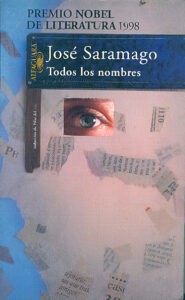
The most intense love story in Portuguese literature can now be found within the José Saramago Library, a collection dedicated to the 1998 Nobel Prize.
In the oppressive, closed and polluted environment of the General Civil Registry Office, he works as a scribe, Don José, a lonely man who one day ago decides to create his private registry of famous people. Not content with the data that provides periodicals and magazines, it's up to you to complete them with those you pose, just by hand, in the Registry. For this there will be no more remedy than violating any of the Conservaduría norms.
There is a review…
«All names are the most intense love story in Portuguese literature of all time.»
Eduardo Lourenço
«Like Günter Grass or Ces Nooteboom, Saramago aspires to engage with an audience that goes beyond national limits.»
The Country
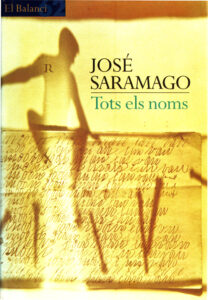
Senior José is a civil registry officer who collects scraps of diaries and magazines about famous characters. To complete the following documentation, you decide to stealthily search for arxius dates, names and all the information that names appear in the Civil Registry's lexicon. One day, by error, the expedition of a completely unknown woman, divorced and living, who was obsessed with investigating all the details of her life, was declassified by error. At the end you will discover that the memory consigned to the Registry does not differ from the accumulation of names recorded in cementitious material. In this masterful novel, José Saramago makes an appeal to the hell of bureaucracy and a study of the pathological limit of curiosity to explore the solitude of contemporary home. About the absolute obsession, Tots their names are also a great love story.
Senior José is a civil registry officer who collects scraps of diaries and magazines about famous characters. To complete the following documentation, you decide to stealthily search for arxius dates, names and all the information that names appear in the Civil Registry's lexicon. One day, by error, the expedition of a completely unknown woman, divorced and living, who was obsessed with investigating all the details of her life, was declassified by error. At the end you will discover that the memory consigned to the Registry does not differ from the accumulation of names recorded in cementitious material. In this masterful novel, José Saramago makes an appeal to the hell of bureaucracy and a study of the pathological limit of curiosity to explore the solitude of contemporary home. About the absolute obsession, Tots their names are also a great love story.
USA
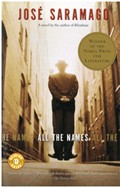
Senhor José is a low-grade clerk in the city's Central Registry, where the living and the dead share the same shelf space. A middle-aged bachelor, he has no interest in anything beyond the certificates of birth, marriage, divorce, and death that are his daily routine. But one day, when he comes across the records of an anonymous young woman, something happens to him. Obsessed, Senhor José sets off to follow the thread that may lead him to the woman-but as he gets closer, he discovers more about her, and about himself, than he would ever have wished for. The loneliness of people's lives, the effects of chance, the discovery of love-all coalesces in this extraordinary novel that displays the power and art of José Saramago in brilliant form.
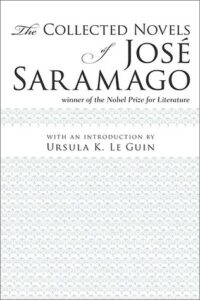
This collection, available exclusively in e-book form, brings together the twelve novels (and one novella) of the great Portuguese writer José Saramago, with an introductory essay by Ursula Le Guin. From Saramago's early work, like the enchanting Baltasar & Blimunda and the controversial Gospel According to Jesus Christ, through his masterpiece Blindness and its sequel Seeing, to his later fables of politics, chance, history, and love, like All the Names and Death with Interruptions, this volume showcases the range and depth of Saramago's career, his inimitable narrative voice, and his vast reserves of invention, humor, and understanding.
Finland
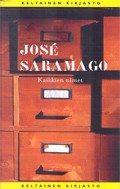
Nobelistin kiehtova romaani maailmasta, missä kuolemaa ei voi erottaa elämästä eikä mikään enää tahdo pysyä aloillaan.“… (hän) rakentaa tarinoita mielikuvituksesta, myötätunnosta already ironic, already antaa meille mahdollisuuden päästä lähemmäs pakenevaa todellisuutta.” – Ruotsin Akatemia Nobel-palkintoperusteissaan
France
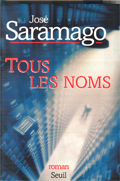
Monsieur José, employé modèle de l'Etat civil, a pour seul passe-temps sa collection d'archives concerning des célébrités. Tombant par erreur sur la fiche d'une inconnue, bientôt obsédé par cette femme sans visage, il se met en tete de la rechercher et de reconstituer son passé. That's why it's better to be more beautiful than ever in the imagination, bouleversant les règles jusque là sad raisonnables de son existence…Enquête policière, conte philosophique, réflexion sur la vie et la mort, la lumière et l'obscurité. Tous les noms, l'un des romans les plus profonds et les plus émouvants du grand écrivain portugales, mérite déjà d'être défini comme un classique.
Monsieur José, employé modèle de l'Etat civil, a pour seul passe-temps sa collection d'archives concerning des célébrités. Tombant par erreur sur la fiche d'une inconnue, bientôt obsédé par cette femme sans visage, il se met en tete de la rechercher et de reconstituer son passé. That's why it's better to be more beautiful than ever in the imagination, bouleversant les règles jusque là sad raisonnables de son existence…Enquête policière, conte philosophique, réflexion sur la vie et la mort, la lumière et l'obscurité. Tous les noms, l'un des romans les plus profonds et les plus émouvants du grand écrivain portugales, mérite déjà d'être défini comme un classique.
Greece

Σκέφτομαι ξαφνικά όλους αυτούς τους ανθρώπους χωρίς όνομα στο Περί τυφλότητος, σκέφτομαι τον κατάλογο με τα ονόματα των εργατών που εμφανίζονται στο μπροστά μου ο τίτλος Όλα τα ονόματα. Θα βγει άραγε κάτι απ' αυτόν;’ αναρωτιέται ο νομπελίστας συγγραφέας. O ήρωάς του, ένας ταπεινός γραφέας του Γενικού Ληξιαρχικού Mητρώου του Kράτους, οδηγείται από την τύχη και την παρόρμηση σε μεγάλες περιπέτειες, αναζητώντας ονόματα και ταυτότητες. Περιπλανάται στους ναούς της γραφειοκρατίας, έχει πολύτιμο συμβουλάτορα ένα… ταβάνι και αναμετριέται με όλα τα ερωτηματικά της ύπαρξης.

Σκέφτομαι ξαφνικά όλους αυτούς τους ανθρώπους χωρίς όνομα στο Περί τυφλότητος, σκέφτομαι τον κατάλογο με τα ονόματα των εργατών που εμφανίζονται στο μπροστά μου ο τίτλος Όλα τα ονόματα. Θα βγει άραγε κάτι απ' αυτόν;’ αναρωτιέται ο νομπελίστας συγγραφέας. O ήρωάς του, ένας ταπεινός γραφέας του Γενικού Ληξιαρχικού Mητρώου του Kράτους, οδηγείται από την τύχη και την παρόρμηση σε μεγάλες περιπέτειες, αναζητώντας ονόματα και ταυτότητες. Περιπλανάται στους ναούς της γραφειοκρατίας, έχει πολύτιμο συμβουλάτορα ένα… ταβάνι και αναμετριέται με όλα τα ερωτηματικά της ύπαρξης.
Σκέφτομαι ξαφνικά όλους αυτούς τους ανθρώπους χωρίς όνομα στο Περί τυφλότητος, σκέφτομαι τον κατάλογο με τα ονόματα των εργατών που εμφανίζονται στο μπροστά μου ο τίτλος Όλα τα ονόματα. Θα βγει άραγε κάτι απ' αυτόν;’ αναρωτιέται ο νομπελίστας συγγραφέας. O ήρωάς του, ένας ταπεινός γραφέας του Γενικού Ληξιαρχικού Mητρώου του Kράτους, οδηγείται από την τύχη και την παρόρμηση σε μεγάλες περιπέτειες, αναζητώντας ονόματα και ταυτότητες. Περιπλανάται στους ναούς της γραφειοκρατίας, έχει πολύτιμο συμβουλάτορα ένα… ταβάνι και αναμετριέται με όλα τα ερωτηματικά της ύπαρξης.
Netherlands

2000, 2002 (edition for the visually impaired), 2018 (Translated by Maartje de Kort)
Language
Dutch
Voor iedereen die genoten heeft van Saramago's bekendste romans De stad der blinden en De stad der zienden
In Alle namen slijt meneer José, een brave ambtenaar van de burgerlijke stand, zijn dagen in een enorm archchief. Voor zijn geheime verzameling knipsels over beroemde mensen verschaft hij zich 's nachts toegang tot het archchief. Per ongeluk neemt hij het dossier mee van een onbekende vrouw die hem op het obsessieve af blijkt te boeien. Saramago laat ons de zoektocht zien naar de mens achter het nummer.
Pers over het werk by José Saramago
‘'Een groot schrijver verontrust, ontroert en ergert zijn lezers. Zo ook Saramago.' By Groene Amsterdammer
‘'Een unieke, moderne parabel, psychologisch glashelder en politiek uitzichtloos tegelijk.' De Groene Amsterdammer over De stad der blinden
‘'Een ingrijpend fictief verslag van hoe een hele maatschappij in één maand volledig kan instorten.' NRC Handelsblad over De stad der blinden
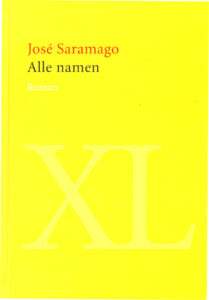
Uitgeverij XL
2002 (Translated by Maartje de Kort)
Israel

(מרים טבעון)]שהתעוור פתאום: הוא רואה הכל לבן, כאילו נפל לתוך ים של חלב. מישהו מתנדב להסיעו הביתה וכששבה ב'כל השמות' אין לדמויות שמות; רק ’האשה האלמונית“, או ”השכנה מקומת-הקרקע מימין“, או ”אשתו של הבעל הקנאי“. מלבד אחד – סניור ז'וזה, גיבור הספר, הכותב במחברת את מעשיו בפרשה שעליה מסופר. והעובדה שזה גם שמו הפרטי של המחבר אינה מקרית. אם כל הרומאנים של סאראמאגו מציבים במרכזם משהו כובל, מאובן, מצמית, עריץ ושרירותי ממריא; אנושית המושגת באמצעות רגש והומאניות) – הרי כאן אלה מבוכיה של הלשכה הכללית למרשם תושבים, שאינה רוצה לדעת מי אנחנו, אלא רק את השם שנתנו לנו ואת הפרטים הריקים של לידה, נישואים ומוות. סניור ז'וזה, רווק בודד, הוא בימים פקיד-רישום בלשכה הזאת, מין אקאקי אקקייביץ' גוגולי. אבל בלילות הוא משקיע עמל באוסף הפרטי שלו: מפורסמים. כשעולה בדעתו יום אחד להתגנב בלילה אל הלשכה ולעמת את העובדות הפומביות של חיי המפורסמים עם המסמכים הרשמיים, משתרבב לידיו בטעות כרטיס-רישום של אשה אלמונית, גרושה בת 36; ומרגע זה משתנים חייו. הוא מחליט לחקור את חייה. החיפוש הזה, תוך קריאת דרור לדמיון, הולך וצובר ”נעלמים’ ושאלות יותר מאשר תשובות, אבל דווקא הסיפור הפתוח שסניור ז'וזה מתחיל לספר לעצמו על האלמונית מפיח בה משב חיים, מציל אותה משכחה עמוקה-מקבר, ובעיקר מספק לסניור ז'וזה עצמו מגע אנושי, מעורבות רגשית, וחיים סודיים שהופכים אותו מפקיד לדמות. הסיפור והזיכרון הם שמעניקים חיים (לזוכר, או למי שזוכרים אותו?), הופכים שם לאדם, מסלקים את “המוות”. אבל יותר משז'וזה הפקיד הוא משל לסאראמאגו – סאראמאגו הוא משל לסניור ז'וזה, ההופך לאדם. זהו ספר על התהייה האמפתית המעניקה חיים – אמפתיה לסוד, לא לעובדות החיצוניות המוצקות שהן כאבן-מצבה. סאראמאגו רואה ב'על העיוורון', 'כל השמות' ו'המערה' – טרילוגיה-בדיעבד, “טרילוגיה לא-רצונית”. ואכן, אלה שלושה רומאנים ששואלים מה מפיח בחיים את משב החיים. .
Italy

Due to my sleep I came to the end of the novel: the Anagraph and the General Cimitero di una citta without name. In my first sleep I ospitati tutti, I lived and died, I cui nomi sono lì raccolti assieme, rispettively neglected schedari dei viventi and dei defunti. Transfer the name of an archive all the other way in case the mistake is made up of the impiegati dell'Anagrafe, but it is not very difficult to keep it anchored by hand and the work is organized according to a rigid bureaucracy and gerarchia. Al Cimitero, invece, stanno i soli defunti con tutti i loro nomi incisi sulle lapidi. Protagonist of the story is Signor José, the only persona and has a proper name in the novel, a five-and-a-half-year-old secret that works as a script for the Conservatoria Generale dell'Anagrafe. Darkly impiegato ligio al dovere, ama collezionare articoli o schede anagrafiche di personaggi famosi, ma un giorno si imbatte nella scheda di una donna sconosciuta che cattura la su l'attenzione e gli muta radicalmente la vita. Il Signor José began infatti to inquire into the story of the law, leading to the healing process of everything… In this sober and lucid description of an esistenziale parabola, Saramago serves dell'allegory and dell'assurdo to give body and consistency to sfuggenti identity, imprigionate nei ruoli and sospese tra passato and present, life and death.
Einaudi
2001 (paperback edition) (Translated by Rita Desti)
Language
Italian
«Forse Saramago, in this beautiful and malinconic book, I can describe a lot of laughter in time verse that doesn't come out of nowhere». Il Signor José is an ausiliary secretary under the General Conservatory of the Anagrafe di una citta anche lei senza nome. Il Signor José is a model of abnegation towards labor and responsibility for his generation. Finché un giorno, dedicandosi alla su collezione di ritagli di giornale e foto, s'imbatte nei dati di una sconosciuta. And the scriptural mite turns into a thief and a fraud, puri di rintracciare la donna senza come back. Dopo il grande affresco di Cecità, Saramago proposes another apocalisse, a strenua ricerca lungo quel sottile diaframma that separates the vita from the death.
Einaudi
1998 (Translated by Rita Desti)
Language
Italian
«Forse Saramago, in this beautiful and malinconic book, I can describe a lot of laughter in time verse that doesn't come out of nowhere». Il Signor José is an ausiliary secretary under the General Conservatory of the Anagrafe di una citta anche lei senza nome. Il Signor José is a model of abnegation towards labor and responsibility for his generation. Finché un giorno, dedicandosi alla su collezione di ritagli di giornale e foto, s'imbatte nei dati di una sconosciuta. And the scriptural mite turns into a thief and a fraud, puri di rintracciare la donna senza come back. Dopo il grande affresco di Cecità, Saramago proposes another apocalisse, a strenua ricerca lungo quel sottile diaframma that separates the vita from the death.
Mexico
An account of adventures by José, in his apparent humility, in his authentic solitude, in his inalienable human dignity, is close to Bovard and Pécuchet, Bartleby and Bernardo Soares.
Norway
En ny, storartet roman fra nobelprisvinneren Saramago. Melankolsk mood og munter sadsse gjennomsyrer nobelprisvinnerens syvende roman på norsk.Senhor José bor i et lite hus som deler vegg med selveste Folkeregisteret. Heldig, for det er der han arbeider. Direktøren vet ikke at han ureglementert har beholdt nøkkelen inn til kontorene. Om dagen sliter han monotont og nitid for å holde alle kartotekkortene á jour. Om natten dyrker han sin eneste, forbudte lidenskap: han samler opplysninger om berømte menneskers liv og levnet og bygger opp sitt eget, hemmelige arkiv. En natt kleber kartotekkortet til en fullstendig u-berømt kvinne seg til de berømtes. Hans besettelse tar en ny retning. Utstyrt med falsk fullmakt oppsøker han kvinnens naboer og går på besøk hos foreldrene, han bryter seg inn på skolen der hun en gang var elev – og til sist går han til Kirkegårdskontoret, som har bemerkelsesverdige likheter med Folkeregisteret. Senhor Josés stillferdige opprør mot byråkrati og fantasiløshet bringer ham en uventet innsikt i det smalet skillet mellom livet og døden. Men det han egentlig leter etter i alle sine originale krumspring, alt det som finnes mellom kartotekkortenes nøkterne registreringer, ser han bare i bleke glimt.”All names is a beautiful novel with many layers, masterly in form. story and a detective story. Fenger Mon Saramago of magic, it is not easy to put the book down” – Guri Hjeltnes, VG”Saramago has written a completely different novel this time.
“"A joyful reading experience. It requires a commitment to read José Saramago books, but for a reward for struggling readers get!" - USD Kendzior, NRK P2
“All names bear in themselves the shattering timelessness that characterizes great literature. That José Saramago deserved the Nobel Prize he was awarded in 1998, is certainly beyond doubt.” – Tone Solberg, Dagens Næringsliv
“A great pleasure reading about people in the machinery” – Kjell Olaf Jensen, Dagsavisen
Poland

Powieść, która wprowadza nas w atmosferę iście kafkowskiego koszmaru i zmusza do refleksji nad własną egzystencją
Bohater – pan José – urzędnik Archiwum Głównego Akt Stanu Cywilnego – za wszelką cenę stara się odnaleźć pewną kobietę. Choć nie ma żadnego konkretnego powodu, by jej szukać, coś pcha go do działania. Aby osiągnąć swój cel, ten uczciwy, z pozoru bezbarwny człowiek ucieka się do oszustwa, a nawet przestępstwa. How does it work to czynić?
Odbywając z bohaterem absurdalną wędrówkę po korytarzach Archiwum, czytelnik niepostrzeżenie zagłębia się w labirynt własnego umysłu, by odnaleźć w nim to, czego wcale się nie spodziewa.
José Saramago, laureat literackiej Nagrody Nobla z 1998 r. i najpopularniejszy na świecie prozaik portugalski, sławę zdobył dopiero w sześćdziesiątym roku życia swoją trzecią powieścią Baltazar i Blimunda, nagrodzoną prestiżową nagrodą portugalskiego PEN Clubu oraz Nagrodą Literacką Miasta Lizbona.
Nakładem Domu Wydawniczego REBIS ukazały się dotychczas: Baltazar i Blimunda, Wszystkie imiona, Rok śmierci Ricarda Reisa, Kamienna tratwa, Historia oblężenia Lizbony, Kain, Miasto ślepców, Ewangelia według Jezusa Chrystusa, Podwojenie, O malarstwie i kaligrafii oraz Podróż słonia.
Powieść, która wprowadza nas w atmosferę iście kafkowskiego koszmaru i zmusza do refleksji nad własną egzystencją
Bohater – pan José – urzędnik Archiwum Głównego Akt Stanu Cywilnego – za wszelką cenę stara się odnaleźć pewną kobietę. Choć nie ma żadnego konkretnego powodu, by jej szukać, coś pcha go do działania. Aby osiągnąć swój cel, ten uczciwy, z pozoru bezbarwny człowiek ucieka się do oszustwa, a nawet przestępstwa. How does it work to czynić?
Odbywając z bohaterem absurdalną wędrówkę po korytarzach Archiwum, czytelnik niepostrzeżenie zagłębia się w labirynt własnego umysłu, by odnaleźć w nim to, czego wcale się nie spodziewa.
José Saramago, laureat literackiej Nagrody Nobla z 1998 r. i najpopularniejszy na świecie prozaik portugalski, sławę zdobył dopiero w sześćdziesiątym roku życia swoją trzecią powieścią Baltazar i Blimunda, nagrodzoną prestiżową nagrodą portugalskiego PEN Clubu oraz Nagrodą Literacką Miasta Lizbona.
Nakładem Domu Wydawniczego REBIS ukazały się dotychczas: Baltazar i Blimunda, Wszystkie imiona, Rok śmierci Ricarda Reisa, Kamienna tratwa, Historia oblężenia Lizbony, Kain, Miasto ślepców, Ewangelia według Jezusa Chrystusa, Podwojenie, O malarstwie i kaligrafii oraz Podróż słonia.
UK
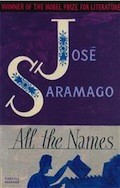
A subtle and insightful story about boredom, passion, curiosity and memory from the Nobel Prize-winner José Saramago
Senhor José is a lonely civil servant who spends his days laboring in the labyrinthine stacks of Lisbon's central registry. Among the file-cards for the living and the dead, one – of an apparently ordinary woman – will transform his life. Breaking away from his strict routine, José resolves to track the woman down, obsessively following a thread of clues in a bid to rescue her from an oblivion deeper than the grave.
‘'When a very good book finds us at just the right moment in life, it can become stitched into our own identity. All the Names – a novel about identity and connection – has become stitched into mine' Samantha Harvey, Independent
A subtle and insightful story about boredom, passion, curiosity and memory from the Nobel Prize-winner José Saramago
Senhor José is a lonely civil servant who spends his days laboring in the labyrinthine stacks of Lisbon's central registry. Among the file-cards for the living and the dead, one – of an apparently ordinary woman – will transform his life. Breaking away from his strict routine, José resolves to track the woman down, obsessively following a thread of clues in a bid to rescue her from an oblivion deeper than the grave.
‘'When a very good book finds us at just the right moment in life, it can become stitched into our own identity. All the Names – a novel about identity and connection – has become stitched into mine' Samantha Harvey, Independent
Romania
Toate numele (1997), began this new series by dedicated author Luis Jose Saramago in a collection of books called "Biblioteca Polirom", this is an enigmatic roman, the complex parabola lacks collective memory and is institutionalized in the past. Intr-un oras care, asa cum ne-a obisnuit autorul portuguez, se gaste intr-un timp si un spatio nedeterminate se afla Arhiva Generala, locul unde sint inventory toate numele ce au existat, exista sau vor exista vreodata. Alaturi de ea, Cimitirul General se infiltrate printre asezamintele celor vii. Intr-o zi, a functionar al arhivei porneste in cautarea unui nume de femeie, iar aceasta adventure plina de riscuri il va purta din lumea celor inca in viata pe tarimul celor disparuti, pentru ca la finalul ei eroul sa realizeca memoria este singura stavila in calea uitarii si a disparitiei totale.„Toate Numele este un roman uluitor, un amestec de farsa, umor macabru, suprarealism si fior tragic, ce descrie cu o extraordinara acuratete singuratatea omului modern si nevoia universala de affectiune si comunicare, desvaluind totodata fragilitatea granitei ce-i separa pe cei vii de cei morti.” (Publishers Weekly)
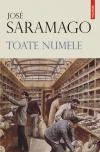
Toate numele (1997), began this new series by dedicated author Luis Jose Saramago in a collection of books called "Biblioteca Polirom", this is an enigmatic roman, the complex parabola lacks collective memory and is institutionalized in the past. Intr-un oras care, asa cum ne-a obisnuit autorul portuguez, se gaste intr-un timp si un spatio nedeterminate se afla Arhiva Generala, locul unde sint inventory toate numele ce au existat, exista sau vor exista vreodata. Alaturi de ea, Cimitirul General se infiltrate printre asezamintele celor vii. Intr-o zi, a functionar al arhivei porneste in cautarea unui nume de femeie, iar aceasta adventure plina de riscuri il va purta din lumea celor inca in viata pe tarimul celor disparuti, pentru ca la finalul ei eroul sa realizeca memoria este singura stavila in calea uitarii si a disparitiei totale.„Toate Numele este un roman uluitor, un amestec de farsa, umor macabru, suprarealism si fior tragic, ce descrie cu o extraordinara acuratete singuratatea omului modern si nevoia universala de affectiune si comunicare, desvaluind totodata fragilitatea granitei ce-i separa pe cei vii de cei morti.” (Publishers Weekly)
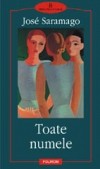
Toate numele (1997), began this new series by dedicated author Luis Jose Saramago in a collection of books called "Biblioteca Polirom", this is an enigmatic roman, the complex parabola lacks collective memory and is institutionalized in the past. Intr-un oras care, asa cum ne-a obisnuit autorul portuguez, se gaste intr-un timp si un spatio nedeterminate se afla Arhiva Generala, locul unde sint inventory toate numele ce au existat, exista sau vor exista vreodata. Alaturi de ea, Cimitirul General se infiltrate printre asezamintele celor vii. Intr-o zi, a functionar al arhivei porneste in cautarea unui nume de femeie, iar aceasta adventure plina de riscuri il va purta din lumea celor inca in viata pe tarimul celor disparuti, pentru ca la finalul ei eroul sa realizeca memoria este singura stavila in calea uitarii si a disparitiei totale.„Toate Numele este un roman uluitor, un amestec de farsa, umor macabru, suprarealism si fior tragic, ce descrie cu o extraordinara acuratete singuratatea omului modern si nevoia universala de affectiune si comunicare, desvaluind totodata fragilitatea granitei ce-i separa pe cei vii de cei morti.” (Publishers Weekly)
Russia
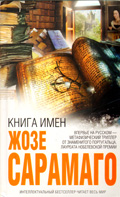
Жозе Сарамаго – один из крупнейших писателей современной Португалии, лауреат Нобелевской премии by по литературе 1998 года.Герой “Книги имен”, служащий Главного архива записи актов гражданского состояния – архива настолько исполинского, что в нем можно заблудиться и пропасть без вести, – одержим единственной страстью: он собирает газетные вырезки, с помощью которых старается восстановить biography ста знаменитых современников, no быстро убеждается, что каждый из них в той или иной мере скрывает правду о себе. Перед ним проплывают тысячи и тысячи историй, тысячи и тысячи имен, пока одно из них не вбирает в себя как в фокус всю его одержимость, ещё глубже увлекая в кафкианский лабиринт…Впервые на русском языке! из величайших писателей современности!
Serbia

Glavno mesto radnje ovog kafkijanskog Roman je Centralni register matične službe, sa svojom strogom hijerarhijom i armijom bezimenih činovnika koji u lavirintu kartoteka, kad traže neki dokument, moraju da vuku za sobom „Arijadnin konac“ kako bi uspeli da se vrate. Među njima se izdvaja samo „Gospodin Žoze“, jedini lik koji ima ime. Ni on ni drugi ljudi u romanu nemaju psihološke karakteristike, ne znamo koliko su stari, ne znamo čak ni kako izgledaju.Kad ne obavlja svoj dosadan pisorski posao, Gospodin Žoze upražnjava neobičan hobi: kradom od nadređenih uzima iz Registra fascikle i iz njih vadi isečke iz novina o poznatim ličnostima. Jednom prilikom slučajno će uzeti fasciklu nepoznate žene, čija će sudbina početi da ga opseda. Iako zna kako može da je pronađe, on to ne želi jer mu veće uživanje predstavlja traganje za pojedinostima iz njenog života, što će ga odvesti u mnoge, čak i opasne avanture…„Snažna parabola o apsurdnosti čovekovih pregnuća.“Robert Irvin, The New York Times
„Sva imena su još jedan Saramagov književni podvig. rečenici ispunjenoj brojnim digresijama, ali uvek melodičnoj i ritmičnoj, začinjenoj mudrim i duhovitim Saramagovim comment koji deluju kao izreke.“
Marija Žoze Rodriges de Oliveira
Sweden
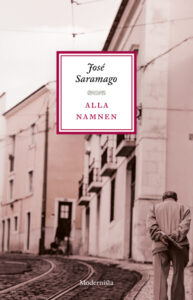
En simpel archivarie på Allmänna civilregistret blir besatt av att rädda en okänd kvinna från glömskan. I mästerliga romanen Alla namnen [1997] undersöker Nobelpristagaren José Saramago hur skört ett samhälles organization är: bland detaljerade och minutiöst ordnade registerkort hotar den stora tomheten. När civilizationens fernissa spricker är upplösningen total.
I svensk nyreviderad översättning av Hans Berggren.
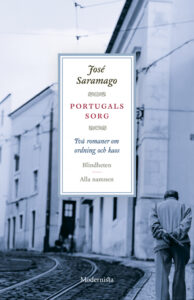
(together with) Blindness essay)
Nobelpristagarens två viktigaste romance i en volym
En epidemi av blindhet sätter ett helt land i gungning. En simpel archivarie på Allmänna civilregistret blir besatt av att rädda en okänd kvinna från glömskan. I två mästerliga romaner – Blindheten [1995] och Alla namnen [1997] – undersöker Nobelpristagaren José Saramago hur skört ett samhälles organization är: en man bländas vid ett trafikljus, och kaos väntar; bland detail och minutiöst ordnade registerkort hotar den stora tomheten. När civilizationens fernissa spricker är upplösningen total.
Med sällsam språklig kraft bygger José Saramago romanvärldar där den verkliga blir synlig som i en grotesk spegel. »Ni vet inte«, säger kvinnan som ensam har synen i behåll, hustrun till den läkare som upptäcker epidemin, »ni kan inte veta vad det är att ha ögon i en värld av blinda, jag är ingen drottning, nej jag är helt enkelt den som föddes att se fasorna, ni känner dem och jag ser dem…«
I svensk översättning av Hans Berggren och med ett nyskrivet förord av författaren Magnus Florin.
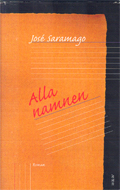
I en sydeuropeisk stad utan namn sitter en liten man vid namn Senhor José och för med gåspenna in personuppgifter på registerkort. Hans arbetsplats är det vördnadsvärda Allmänna civilregistret; en sluten och strängt hierarkisk värld där den enväldige registratorn vakar över allt och alla och där skrivbiträden som sr José befinner sig allra längst ned på rangskalan. Det enda som bryter hans monotona tillvaro är de ångestladdade tillfällen då han tvingas balansera på arkivstegen för att plocka ned mappar från de allra översta hyllorna. Mr José leader nämligen av svårartad svindel.Men även inom den obetydligaste människa ryms ett frö till storhet. Mr José har en hemlighet: han samlar på artiklar om celebriteter, och i sin klippbok har han också börjat föra in das personuppgifter som han nattetid smugglar ut från civilregistret. En oskyldig hobby kan tyckas, men ändå nog för omedelbart avsked om det skulle komma till registratorns kännedom. Riktigt riskabelt blir det dock först när sr José en natt av misstag får med sig en okänd kvinnas registerkort hem, och blir som besatt av tanken på att finna henne.Plötsligt har hans liv fått innehåll och mening, och i det mycket lilla formatet utvecklar sr José ett, inte minst för honom själv, imponerande mått av djärvhet och uppfinningsrikedom.
Turkey

Don José, yirmi beş yıldır Nüfus Kayıt Merkez Arşivi'nde çalışmaktadır. Sağların ve ölenlerin kayıtlarının tutulduğu, hiyerarşik bir düzenin uygulandığı Arşiv'de, günlerini doğum, evlilik, boşanma ve ölüm belgeleriyle geçirir. Ancak Don José'nin herkesten sakladığı bir tutkusu vardır: Gazete ve dergilerden kestiği, ünlü kişilerle ilgili kupürleri biriktirmek. Koleksiyonuna eklemek için Arşiv'den gizlice aldığı dosyaların arasına meçhul bir kadının fişinin karışmasıyla Don José'nin sıradan hayatı yön değiştirir. Don José, bu kadının hayatıyla ilgili her şeyi öğrenme isteğiyle yanıp tutuşur. Neredeyse saplantıya dönüşen bu tutkudan çılgına dönen Don José, bilinmezlerle dolu, karanlık bir yola sapar. Araştırmaya devam ettikçe meçhul kadınla ve kendisiyle ilgili sarsıcı şeyler öğrenir. (Tanıtım Bülteninden)
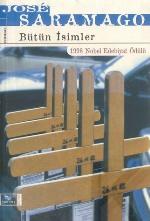
Don José, bir gün bu insanlara ait bazı bilgilerin kaybolduğunu fark eder ve arşivden araştırmaya başlar. Arşivden yanlışlıkla sıradan bir kadının dosyasını alır ve onun hayatının peşine düşer. Read more araştırmacılığında felsefi bir bakışla irdelerken, isimlerin gizemine evrensel bir youm getiriyor: Yazara göre bu gizem insanların ortak suskunluğundadır. See the, “Bu adı açığa vurdum,” diyor.
Vietnam
Bach Viet Books
2007
Language
Vietnamese
Bach Viet Books
2007