Raised from the Ground
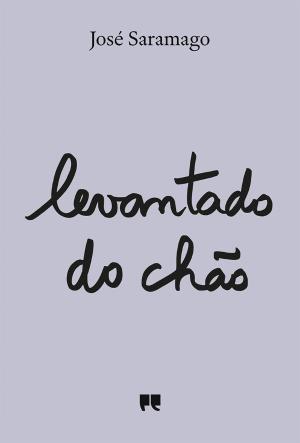
The book is called Levado do Chão because, in the end, men get up from the ground, the crops are raised, it is on the ground that we sow, it is on the ground that trees grow and a book can even be raised from the ground.
Foundation
Awards for the work:
1981. City of Lisbon Prize. Portugal.
1992. Ennio Flaiano International Prize. Italy.
Portugal
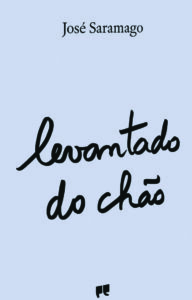
The calligraphy on the cover is by the writer Mia Couto.
Social transformation. Protest. Characters in dialogue. The brutal social inequalities. Forbidden questions arise. Awareness and space are gradually acquired, so that everything can rise from the ground. A book composed of 34 chapters. In the 17th is the torture and death of Germano Santos Vidigal. Germano, the name meaning brother, the man with the spear. Despite being defeated, the sacrifice of his life points the way. "They've found him. Two guards are taking him away, wherever we turn we see nothing else, they're taking him from the square, at the exit of the gate of sector six two more join them, and now it seems almost on purpose, everything is going uphill, as if we were watching a film about the life of Christ, up there is Calvary, these are the centurions with their sturdy boots and warrior sweat, they carry their spears cocked, it's a suffocating heat, high up." Women are also called to the forefront of decision-making in this beautiful novel by Saramago. The monosyllabic dialogue between husband and wife in the Mau-Tempo family gradually changes. It's interesting to observe a narrative that moves from submission to a sense of liberation across generations.
Diário de Notícias, October 9, 1998
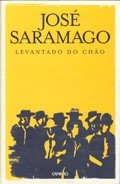
Editorial Path
1980, 19th ed., 2010
Language
Portuguese
«"Social transformation. Protest. Characters in dialogue. The bloody social inequalities. Forbidden questions arise. Awareness and space are gradually acquired, so that everything can rise from the ground. A book composed of 34 chapters. In the 17th is the torture and death of Germano Santos Vidigal. Germano, the name that means brother, the man with the spear. Despite being defeated, the sacrifice of his life points the way. 'They've found him. Two guards are taking him away, wherever we turn we see nothing else, they're taking him from the square, at the exit of the gate of sector six two more join them, and now it seems almost on purpose, everything is going uphill, as if we were watching a film about the life of Christ, up there is Calvary, these are the centurions with their sturdy boots and warrior sweat, they carry their spears cocked, it's a suffocating heat, high up.' 'Women are also called to the front line of decisions in this beautiful novel by Saramago.'" The monosyllabic dialogue between husband and wife in the Mau-Tempo family is changing. It is interesting to observe a narrative that goes from submission to a sense of liberation, across generations.“ (Diário de Notícias, October 9, 1998)
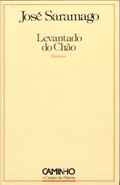
Editorial Path
1980, 19th ed., 2010
Language
Portuguese
«"Social transformation. Protest. Characters in dialogue. The bloody social inequalities. Forbidden questions arise. Awareness and space are gradually acquired, so that everything can rise from the ground. A book composed of 34 chapters. In the 17th is the torture and death of Germano Santos Vidigal. Germano, the name that means brother, the man with the spear. Despite being defeated, the sacrifice of his life points the way. 'They've found him. Two guards are taking him away, wherever we turn we see nothing else, they're taking him from the square, at the exit of the gate of sector six two more join them, and now it seems almost on purpose, everything is going uphill, as if we were watching a film about the life of Christ, up there is Calvary, these are the centurions with their sturdy boots and warrior sweat, they carry their spears cocked, it's a suffocating heat, high up.' 'Women are also called to the front line of decisions in this beautiful novel by Saramago.'" The monosyllabic dialogue between husband and wife in the Mau-Tempo family is changing. It is interesting to observe a narrative that goes from submission to a sense of liberation, across generations.“ (Diário de Notícias, October 9, 1998)
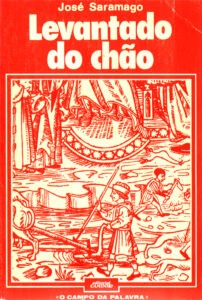
Editorial Path
1980, 19th ed., 2010
Language
Portuguese
«"Social transformation. Protest. Characters in dialogue. The bloody social inequalities. Forbidden questions arise. Awareness and space are gradually acquired, so that everything can rise from the ground. A book composed of 34 chapters. In the 17th is the torture and death of Germano Santos Vidigal. Germano, the name that means brother, the man with the spear. Despite being defeated, the sacrifice of his life points the way. 'They've found him. Two guards are taking him away, wherever we turn we see nothing else, they're taking him from the square, at the exit of the gate of sector six two more join them, and now it seems almost on purpose, everything is going uphill, as if we were watching a film about the life of Christ, up there is Calvary, these are the centurions with their sturdy boots and warrior sweat, they carry their spears cocked, it's a suffocating heat, high up.' 'Women are also called to the front line of decisions in this beautiful novel by Saramago.'" The monosyllabic dialogue between husband and wife in the Mau-Tempo family is changing. It is interesting to observe a narrative that goes from submission to a sense of liberation, across generations.“ (Diário de Notícias, October 9, 1998)
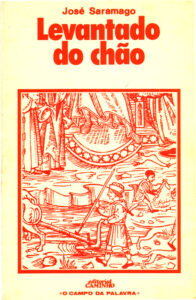
Editorial Path
1980, 19th ed., 2010
Language
Portuguese
«"Social transformation. Protest. Characters in dialogue. The bloody social inequalities. Forbidden questions arise. Awareness and space are gradually acquired, so that everything can rise from the ground. A book composed of 34 chapters. In the 17th is the torture and death of Germano Santos Vidigal. Germano, the name that means brother, the man with the spear. Despite being defeated, the sacrifice of his life points the way. 'They've found him. Two guards are taking him away, wherever we turn we see nothing else, they're taking him from the square, at the exit of the gate of sector six two more join them, and now it seems almost on purpose, everything is going uphill, as if we were watching a film about the life of Christ, up there is Calvary, these are the centurions with their sturdy boots and warrior sweat, they carry their spears cocked, it's a suffocating heat, high up.' 'Women are also called to the front line of decisions in this beautiful novel by Saramago.'" The monosyllabic dialogue between husband and wife in the Mau-Tempo family is changing. It is interesting to observe a narrative that goes from submission to a sense of liberation, across generations.“ (Diário de Notícias, October 9, 1998)
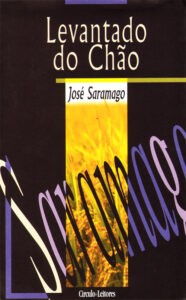
Circle of Readers
1989
Language
Portuguese
Circle of Readers
1989
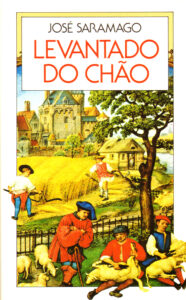
Circle of Readers
1989
Language
Portuguese
Circle of Readers
1989
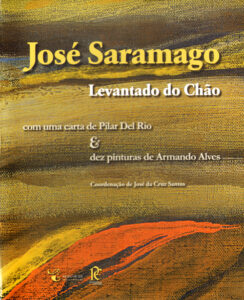
Reading Mode Publisher
2009 (special edition, illustrated by Armando Alves and coordinated by José da Cruz Santos)
Language
Portuguese
Reading Mode Publisher
2009 (special edition, illustrated by Armando Alves and coordinated by José da Cruz Santos)
Germany
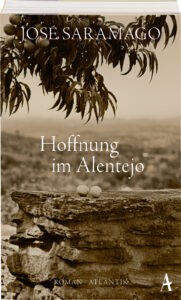
Die Provinz Alentejo, das Land der Sonne, Olivenhaine und Korkeichen, aber auch das Land der Latifundien, Großgrundbesitzer und Tagelöhner. José Saramago schildert wortmächtig den harten Alltag der Arbeiter, ihr anfängliches Aufbegehren gegen die Allmacht des Patrons bis hin zu den ersten organisierten Streiks. “Hoffnung im Alentejo” ist ein bewegender Tribut an die Männer und Frauen, unter denen Saramago als Kind aufwuchs, und ein faszinierender Einblick in das frühe Werk des Nobelpreisträgers.
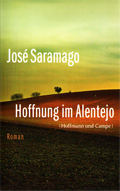
Eine Sensation aus dem Nachlass des Nobelpreisträgers: Jahrzehntelang galt sein Roman “Skylight” als verschollen. Nun wurde er erstmals veröffentlicht.Die Provinz Alentejo, das Land der Sonne, Olivenhaine und Korkeichen, aber auch das Land der Latifundien, Großgrundbesitzer und Tagelöhner. José Saramago schildert wortmächtig den harten Alltag der Arbeiter, ihr anfängliches Aufbegehren gegen die Allmacht des Patrons bis hin zu den ersten organisierten Streiks. “Hoffnung im Alentejo” ist ein bewegender Tribut an die Männer und Frauen, unter denen Saramago als Kind aufwuchs, und ein faszinierender Einblick in das frühe Werk des Nobelpreisträgers.
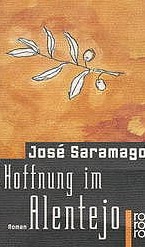
Die Provinz Alentejo, das Land der Sonne, des Weizens, der Olivenhaine und der Korkeichen, das Land der Großgrundbesitzer und der Tagelöhner. Der portugiesische Romancier José Saramago verfolgt hier das Schicksal einer Tagelöhnerfamilie über vier Generationen, von der Jahrhundertwende bis kurz nach der Revolution 1974. Saramagos glanzvolle, reiche Sprache, seine liebevolle Ironie, die Genauigkeit seines Blicks – das sind die Grundlagen eines großen Werkes.
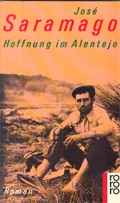
Die Provinz Alentejo, das Land der Sonne, des Weizens, der Olivenhaine und der Korkeichen, das Land der Großgrundbesitzer und der Tagelöhner. Der portugiesische Romancier José Saramago verfolgt hier das Schicksal einer Tagelöhnerfamilie über vier Generationen, von der Jahrhundertwende bis kurz nach der Revolution 1974. Saramagos glanzvolle, reiche Sprache, seine liebevolle Ironie, die Genauigkeit seines Blicks – das sind die Grundlagen eines großen Werkes.
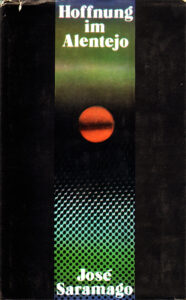
Aufbau
1982
Language
German
Aufbau
1982
Argentina
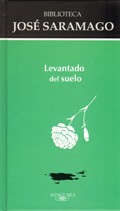
“I ask political economists, moralists, if they have calculated the number of individuals that are necessary to condemn to misery, to disproportionate work, to demoralization, to childhood, to horrible ignorance, to invincible misfortune, to absolute penury, to produce a rich man.” Almeida Garrett“A writer is a man like others: sueña. And my sueño was able to decide on this book when it ends: 'This is the Alentejo'. From the sueños, however, we all wake up, and now we come here, in the face of the accomplished sueño, bell of the concrete and possible form of sueño. I just wrote: 'This is a book about the Alentejo'. A book, a simple novel, people, conflicts, some loves, many sacrifices and great hardships, victories and disasters, the apprenticeship of transformation, deaths. So we know that they will get up They harvest the trees, the animals that run through the fields or fly over them rise, the men and their hopes rise. A book can also rise from the soil, like an ear of wheat or a wild flower. Or a bird. Or a bandera. Finally, I'm already dreaming again. Like the men I address.‘José Saramago
Brazil
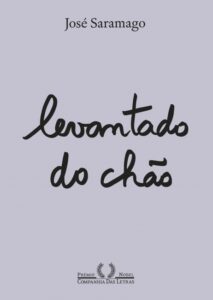
The calligraphy on the cover is by the writer Mia Couto.
An indispensable novel by Nobel laureate José Saramago, Lifted off the ground It follows the struggle of a people trying to overcome centuries of oppression and social inequality in one of the most impoverished regions of Portugal.
This is the story of the Mau-Tempo family, farmers from the Alentejo region, whose journey, from the beginning of the 20th century to the 1970s, is told with the arsenal of the best fabulists and the generous gaze of great social critics. It is also the narrative of the changes that a country longing for power and glory would undergo over time; and of the struggle of many of its oppressed citizens to secure a more dignified life in the countryside and in the city.
Originally published in 1980 and quickly acclaimed in its country of origin, *Raised from the Ground* is one of those essential works in the luminous production of the Portuguese writer José Saramago, one of the great storytellers of our time. The social history and the poetic and particularized observation of human life take on the contours of a kind of epic of ordinary life – but never commonplace, since each of its characters shines with the singular brilliance of one of the most powerful fictional creations of recent decades.
The story of the terrible working conditions in the countryside and their various changes over time – thanks to the anti-fascist political struggle, but also to much suffering and deprivation in the name of a more hopeful future – is told in prose that is not afraid to show partisanship. But not only that: the beauty makes Saramago's text enchanting, demonstrating the enormous narrative power of a writer who is today one of the undisputed classics of Portuguese-language fiction.
The calligraphy on the cover is by the writer Mia Couto.
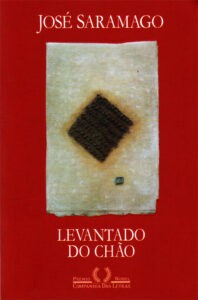
This is the story of the Mau-Tempo family, farmers from the Alentejo region of Portugal, whose journey from the beginning of the 20th century to the 1970s is told with the arsenal of the best fabulists and the generous gaze of great social critics. It is also the narrative of the changes that a country yearning for power and glory would undergo over time; and of the struggle of many of its oppressed citizens to secure a more dignified life in the countryside and in the city. Originally published in 1980 and quickly acclaimed in its country of origin, *Raised from the Ground* is one of those essential works in the luminous production of the Portuguese writer José Saramago, one of the great storytellers of our time. Social history and the poetic, particularized observation of human life take on the contours of a kind of epic of ordinary life – but never common, since each of its characters shines with the singular brilliance of one of the most powerful fictional creations of recent decades. The story of the terrible working conditions in the countryside and their various changes over time – thanks to the anti-fascist political struggle, but also to much suffering and privation in the name of a more hopeful future – is told in prose that is not afraid to show itself partisan to one side or the other. But not only that: the beauty makes Saramago's text something enchanting, demonstrating the enormous narrative power of a writer who is today one of the undisputed classics of Portuguese-language fiction. City of Lisbon Prize
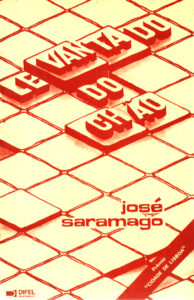
DIFEL
1982
Language
Portuguese
DIFEL
1982
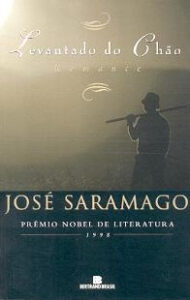
Bertrand Brasil
Language
Portuguese
The novel follows this process of social transformation, which is reflected in the very technique of plot composition: narrator and characters, who initially appear as mere passive and submissive repeaters of others' discourses, gradually assume their own language as discourse, as dialogue, thus creating the writing of people who have learned to read in themselves and also in others, that is, who acquire the right and status of narrators.
Record/Atalaya
1996
Language
Portuguese
Record/Atalaya
1996
Cuba
Art and Literature
(Translated by Rodolfo Alpízar)
Language
Spanish
Art and Literature
(Translated by Rodolfo Alpízar)
Spain
Alfaguara / Penguin Random House
2015 (DeBolsillo — Contemporary) (Trans.: Basilio Losada)
Language
Spanish
In rural Portugal, masterfully shaped in the history of a family from Alentejo from 1910 to 1979, including the Revolución de los Claveles, we witness a picture of ignorance, poverty and disappearance, described with poignant bitterness, which takes us from the uprisings and occupations of farms beginning in the 20th century until Hope finally comes to the people in the April Revolution.
Saramago, in the perfect pose of his mediums, extracts from the peasant language very noble stylistic records, and demonstrates the consolidated and brilliant style, the splendid humor in sections and the singular aptitude for reconstructing environments that place him among the main narrators of the present.
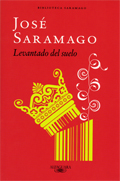
Alfaguara / Penguin Random House
2011 (Saramago Library Collection) (Translated by Basilio Losada)
Language
Spanish
In rural Portugal, masterfully shaped in the history of a family from Alentejo from 1910 to 1979, including the Revolución de los Claveles, we witness a picture of ignorance, poverty and disappearance, described with poignant bitterness, which takes us from the uprisings and occupations of farms beginning in the 20th century until Hope finally comes to the people in the April Revolution.
Saramago, in the perfect pose of his mediums, extracts from the peasant language very noble stylistic records, and demonstrates the consolidated and brilliant style, the splendid humor in sections and the singular aptitude for reconstructing environments that place him among the main narrators of the present.
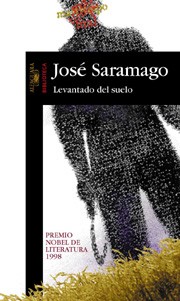
In rural Portugal, masterfully shaped in the history of a family from Alentejo from 1910 to 1979, including the Revolución de los Claveles, we witness a picture of ignorance, poverty and disappearance, described with poignant bitterness, which takes us from the uprisings and occupations of farms beginning in the 20th century until Hope finally comes to the people in the April Revolution.
Saramago, in the perfect pose of his mediums, extracts from the peasant language very noble stylistic records, and demonstrates the consolidated and brilliant style, the splendid humor in sections and the singular aptitude for reconstructing environments that place him among the main narrators of the present.
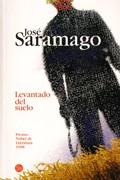
Alfaguara / Penguin Random House
2007 (Punto de lectura - pocket edition) (Trans.: Basilio Losada)
Language
Spanish
In rural Portugal, masterfully shaped in the history of a family from Alentejo from 1910 to 1979, including the Revolución de los Claveles, we witness a picture of ignorance, poverty and disappearance, described with poignant bitterness, which takes us from the uprisings and occupations of farms beginning in the 20th century until Hope finally comes to the people in the April Revolution.
Saramago, in the perfect pose of his mediums, extracts from the peasant language very noble stylistic records, and demonstrates the consolidated and brilliant style, the splendid humor in sections and the singular aptitude for reconstructing environments that place him among the main narrators of the present.
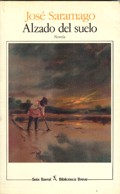
Alzado delu suelo (Levantado do Chão, 1980), unpublished until now in Castellano, is the novel that reveals Saramago's full narrative maturity. In rural Portugal with the beginnings of siglo, masterfully shaped in the history of a family from Alentejo from 1910 to 1979, including the Revolution of the Claveles, we witness a picture of ignorance, poverty and disappearance, described with poignant bitterness, which takes us from the uprisings and occupations of farms of our own From siglo to hope, it finally passes for the people, in the April Revolution. Saramago, in the perfect pose of his mediums, extracts from the peasant language very noble stylistic resources, and demonstrates the consolidated and brilliant style, the splendid humor in sections and the singular aptitude for reconstructing environments that place him among the main narrators of the current moment.
USA
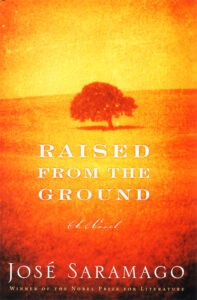
Essential…A novel that resonates with relevance for our own time.” —New York Times Book ReviewFirst published in 1980, the City of Lisbon Prize–winning Raised from the Ground follows the changing fortunes of the Mau Tempo family—poor landless peasants not unlike Saramago's own grandparents. the dictator Salazar's life. Yet nothing really impinges on the grim reality of the farm workers' lives until the first communist stirrings. Raised from the Ground is Saramago's most deeply personal novel, the book in which he found the signature style and voice that distinguishes all of his brilliant works.
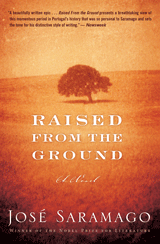
Essential…A novel that resonates with relevance for our own time.” —New York Times Book ReviewFirst published in 1980, the City of Lisbon Prize–winning Raised from the Ground follows the changing fortunes of the Mau Tempo family—poor landless peasants not unlike Saramago's own grandparents. the dictator Salazar's life. Yet nothing really impinges on the grim reality of the farm workers' lives until the first communist stirrings. Raised from the Ground is Saramago's most deeply personal novel, the book in which he found the signature style and voice that distinguishes all of his brilliant works.
France
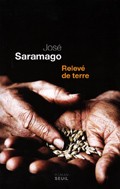
Published in 1980, Relevé de terre est le premier grand roman où apparaît la langue si singular de José Saramago. Du debut du XXe siècle à la révolution des œillets en 1974, il report à travers trois générations l'histoire des Mau-Tempo, une famille de travailleurs agricoles de l'Alentejo, une région de latifundiums parmi les plus arides du Portugal. The exploitation, the misère, the analphabétisme, the dureté of conditions of labor, the toute-puissance of the proprietors, of the Église et d'un État dictatorial sont des motifs qui traversent tout le livre jusqu'à la lens apparition of the premières prises de conscience, des premières grèves, des premiers soulèvements.Roman réaliste qui casse tous les codes de la prose et du récit réalistes, fresque historique et politique sur la condition paysanne bâtie sur une magistrale construction du temps et des personnages, Relevé de terre est un texte révolutionnaire dans l'histoire de la littérature.
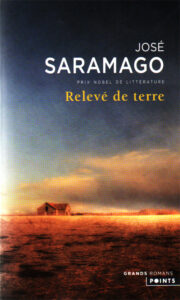
Published in 1980, Relevé de terre est le premier grand roman où apparaît la langue si singular de José Saramago. Du debut du XXe siècle à la révolution des œillets en 1974, il report à travers trois générations l'histoire des Mau-Tempo, une famille de travailleurs agricoles de l'Alentejo, une région de latifundiums parmi les plus arides du Portugal. The exploitation, the misère, the analphabétisme, the dureté of conditions of labor, the toute-puissance of the proprietors, of the Église et d'un État dictatorial sont des motifs qui traversent tout le livre jusqu'à la lens apparition of the premières prises de conscience, des premières grèves, des premiers soulèvements.Roman réaliste qui casse tous les codes de la prose et du récit réalistes, fresque historique et politique sur la condition paysanne bâtie sur une magistrale construction du temps et des personnages, Relevé de terre est un texte révolutionnaire dans l'histoire de la littérature.
Netherlands
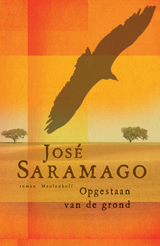
In het dorpje Lavre in Alentejo weet José Saramago op zekere dag niet hoe het verder moet met de roman die hij onder handen heeft, Opgestaan van de grond. Om de impasse te doorbreken draait hij een nieuw vel in de typemachine en begint gewoon te schrijven, zonder onderbreking. En zo ontstaat, bijna terloops, het oerboek van zijn stijl. Achtenvijftig was hij toen het verscheen en in zeventien jaar tijd schreef hij vervolgens het oeuvre bijeen dat hem in 1998 de Nobelprijs opleverde. van Portugal. Vier generaties verzet en leed tegen een achtergrond van monarchie, republiek en dictatuur, tot de Anjerrevolutie ten slotte uitzicht biedt op verandering. En dat alles in de stijl die met dit boek geboren werd: een onstuitbare stroom van zich aan elkaar vasthakende zinnen met ingevatte dialogen, schijnbaar geleid door de ingevingen van het moment, die het verhaal onderbreken voor gedachten en overpeinzingen, of die het onverhoeds een andere wending geven – alles met meesterhand bijeengehouden. In Opgestaan van de grond, een even bewogen als bevlogen roman, staat niet alleen een volk op, maar ook een nieuwe schrijver.'Saramago dankt de Nobelprijs aan zijn verbeeldingskracht, de ironie die hij aan de dag legt en zijn grote vermogen met de mens mee te voelen.' Academie voor de Nobelprijs'Saramago's boeken roepen García Márquez in herinnering vanwege hun epische pretenties, en met Primo Levi deelt hij het inzicht in de breekbaarheid van de door tegenspoed geplaagde mens.' The Times
Hungary
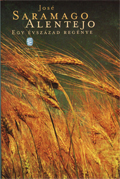
Balladás hangú regényében José Saramago a Portugália déli részén elterülő Alentejo tartományba vezeti el olvasóit, és egy nincstelen parasztcsalád négy nemzedékének életén keresztül mutatja be az alentejo-i parasztság XX. századi történetét. Az elbeszélt események 1905 körül kezdődnek, ez az évszám azonban a regény során esetlegessé vailik, mivel Portugáliának ezen a vidékén az emberek szinte időtlen viszonyok között léteztek évszázadokon at. Életük belesimult a tajba, a természet örök körforgásába és a létezésüket fojtogató múltba. Nemcsak az elmaradottság, a középkori szinten megrekedt birtokviszonyok miatt, hanem mert a régmúlt idők visszatérő árnyai is folytonosan ott settenkedtek körülöttük, akár a földesurak egymást követő nemzedékeiben továbbélő Lamberto Horques Alemão, a nemet lovag, aki a XV. században kapta hűbérbirtokul ezt a vidéket I. János királytól, akár az egyház örökös hatalmát képviselő vidéki papok. Ugyanígy a múltat idézik a Mau-Tempo család négy évszázad óta időről-időre kék szemmel megszülető gyermekei is, emlékeztetve arra az ötszáz évvel korábban élt gerardonra, akivel egy forrásnál erővel kedvét töltötte a föld idegen ura….Saramago jó harminc éve ezzel a már sajátosan egyéni hangú regényével kezdte meg a portugal történelem egy-egy jelentős korszakával foglalkozó műveinek sorát. Nélküle nor volna teljes magyarul sem a Nobel-díjas portugal írónagyság életműve.
Israel
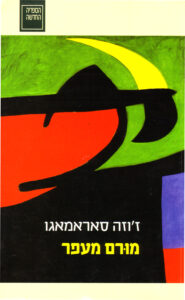
‘'מוּרם מעפר' היכה גם אותנו בתדהמה. ידענו על הרומאן הזה שהוא סאראמאגו שלפני סאראמאגו; את הפריצה הספרותית שלו, העולמית, שאחריה באה מרבית כתיבתו, עשה סאראמאגו בגיל שישים (1982), ב'דברי ימי מנזר', ואחר-כך, במשך 27 שנה, באו עוד 12 רומאנים (כולם ראו אור אצלנו בתרגומה הבלתי-נשכח של מרים טבעון). הם שהקנו לסאראמאגו את מקומו היציב בקנון הספרותי המערבי, את מעמדו כ’גדול סופרי העולם’ בשלהי המאה העשרים (הרולד בלום) ואת פרס נובל לספרות. עד גיל שישים, ידענו, הוא הדפיס רק שלושה רומאנים. הראשון שבהם, 'אדמת החטא', הופיע כשהיה בן 25, אך השלישי, 'מוּרם מעפר', ראה אור רק כשהיה בן 58.
שלושה עמודים ראשונים של הרומאן חולפים עד שאומר המסַפר: “את כל זה אפשר לספר בצורה אחרת” שיחתו של המספר, סגנון הסיפור האופייני לסאראמאגו, במלוא בשלותו ושִׁפעתו. כאן הוא המציא אותו. ההתפעלות מכישרון התיאור והסיפור שיש לאיש הזה עוד גוברת בגלל הרעננות שבראשוניות, כאילו הזדמַנו להופעת בכורה של מישהו לא ידוע שברור לנו מיד שהוא עתיד להיות כוכב אדיר.
‘'מוּרם מעפר' עוקב, לאורך למעלה מ-80 שנה, אחרי ארבעה דורות של משפחת מַאוּ-טֶמפּוּ (פירוש שמם הוא: מזג-אוויר גרוע), ואחרי הסובבים אותם, הפועלים שכירי-היום ב’לטיפונדיה” אָלֶנטֶז'וּ, בדרום פורטוגל. בשנים האלה הפכה המונרכיה לרפובליקה, נפוצו שמועות על שתי מלחמות ענק שהתחוללו בכל אירופה, פרצה הדיקטטורה בפורטוגל, אך המאורעות הלאומיים והבינלאומיים לא באמת חדרו ללטיפונדיה, שהפועלים החלכאים והנדכאים שלה, העובדים תמורת שכר רעב מחשיכה עד חשיכה – אם אינם בכלל מחוסרי-עבודה – " המשתפת איתם פעולה באמצעות המשמר הלאומי האלים שלה, והכנסייה. נגד אלה מופנית האירוניה הסרקסטית של הקוסם הלוחמני סאראמאגו, ברומאן פוליטי שאת דפיו מציפות חמלה ואמפתיה חסרות גבולות כלפי המדוכאים.
בני משפחת מַאוּ-טֶמפּוּ, שאחת לשני דורות צצות אצלם עיניים כחולות נדירות שלא רואים כאן בשום מקום, נבחרו להוליך את עלילת הרומאן בזכות נחישותם ועיקשותם התמות, בזכות הכבוד שהם מעוררים. הם אלו שוודאי הזכירו לסאראמאגו את סבו ואת סיפוריו. ההערצה כלפיהם היא זו שחוללה את “קולו” של המספר, קול שהִתמיד מכאן ואילך אצל הסופר. זהו קול קלֵידוסקופי, שיתופי, מעין מקהלה של דיבורים ודוברים בשברי קולות, במשפטים שנקטעים, בגבולות מחוקים בין קול לקול, בין דובר לדובר, כאילו העם מספר את סיפורו. המספר מחקה דיבור בעל-פה, או נאבק בכללי הכתיבה, לפעמים הוא איש תמים, לפעמים משורר בעל דימויים הרי-תהודה, לפעמים איש חריף החושף את הפרדוקסים הקשורים במסגרות עריצוֹת למיניהן, ולפעמים הוא מאמץ לעצמו פרספקטיבות מפתיעות ושובות-לב (כגון זו של נמלה הצופה בעינויים של אסיר, או של המלאכים התמימים ממרפסת השמיים). מי כותב היום רומאנים כאלה?
Italy
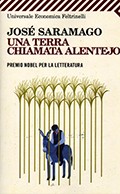
In the Portoghese region of Alentejo throughout the Novecento, from the prime occupazioni of the thin land to the Rivoluzione dei garofani, the latifondista economy has harshly segnato the vita of the umili braccianti, with a long catena of soprusi and prevaricazioni, in a contest of misery and ignorance. A questa grande Storia es interestricabilmnete legata la storia minore e marginale, ma emblematica, di una famiglia di contadini: i Mau-Tempo, le cui stesse origini sono connesse a un'antica violence e sulla quale continuano ad abbattersi prepotenza e sfruttamento. The narration doesn't follow nearly four generations of fatta di sacrifici e fatica, more than one passion, aspiration, lotte, sconfitte. It's a saga of the past, the emotional epic of every social class, scanned by the rhythm of oral literature, which has its own poetic rappresentation of the paesaggio, loves irony in describing the second ingiustizie and commossa participazione per the sort of eternal fruitfulness.
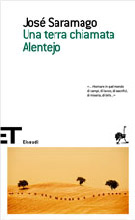
Einaudi
2006 (paperback edition) (Translated by Rita Desti)
Language
Italian
Un'opera fondamentale per conoscere le radici del Premio Nobel portuguese: un'epopea contadina nella regione dell'Alentejo. The novel (its original title was Levantado do Chão, literally «alzato da terra») is a «vintage saga» set in Portogallo rurale, segnato dall'economia latifondista. It's the story of a family of families from Alentejo from 1910 to 1979. A picture of poverty, ignorance, sottomission, described with poignant yellowness, part of the occupation of the land at the beginning of the second half of the speranze, passeggere, of the Rivoluzione dei Garofani. An environment rich in great efficiency, in which Saramago expresses his desire to investigate the relationship between people and the diverse manifestations of the power.
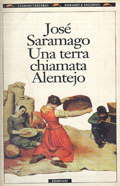
“Di uomini si continuarà a parlare, mas si comincerà a parlare un po' di più anche di donne’ (J. Saramago)Premio Mondello 1992″Una terra chiamata Alentejo”, 'saga dei vinti' o 'epopea contadina', comes variably è stata definita la centenaria storia di più generazioni di una famiglia of the Alentejo region, region of Portoghese, part of the latifondista economy, other than that, it is the rilettura of the most ancient history of the land, and the story of its millenarian rapport with the land, intense as a hard element of the addomesticare and of the piegare alla propria volontà and ai propria bisogni. romanzi di Saramago, sometime here Finally, the last one is a tentative attempt, a profoundly human desire to inquire into the relationship between people and the diverse manifestation of the potre”. (Dalla prefazione di Rita Desti)
Mexico
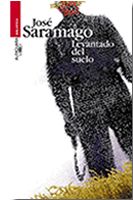
Rural Portugal from the beginnings of the 20th century: a family is the witness and protagonist of ignorance and poverty, of uprisings and occupations in the April Revolution, also known as the Revolution of the Claveles.
UK
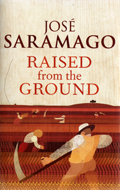
First published in 1980, Saramago's prizewinning novel Raised from the Ground follows the changing fortunes of the Mau-Tempo family – poor, landless peasants not unlike the author's own grandparents. Set in Alentejo, a southern province of Portugal known for its vast agricultural estates, Saramago charts the lives of the Mau-Tempos as national and international events rumble on in the background – the coming of the republic in Portugal, the First and Second World Wars, and an attempt on the dictator Salazar's life. Yet, nothing really impinges on the grim reality of the farm laborers' lives until the first communist stirrings.Finally published for the first time in English, Raised from the Ground is highly political yet full of Saramago's characteristic humor and humanity, and his most autobiographical and deeply personal novel. As full of love as it is of pain, it is a vivid, moving tribute to the men and women among whom Saramago lived as a child, and a fascinating insight into the early work of this literary giant.
Romania
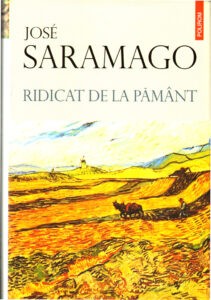
Publicat pentru prima data in 1980, Ridicat de la pamint urmareste destinul mai multor generatii ale familiei Mau-Tempo (Vreme-Rea), tarani saraci, fara pamint, cum fusesera si bunicii lui Saramago – cartea este, de altfel, una dintre cele profund personale ale celebrity scriitor. Desfasurat in Alentejo, the province in southern Portugaliei, romanul schiteaza viata grea dusa de tarani pe fundalul mai multor evenimente sau phenomena politice – trecerea Portugaliei la statutul de Republica, doua razboaie mondiale, un attentive la viata dictatorului Salazar –, care insa nu au nici un efect benefic asupra paturii de jos. Realitatea sumbra in care traiesc acesti oameni asupriti de mosieri ajunge sa cunoasca schimbarea abia odata cu insinuarea comunismului si a marilor lui promisiuni, niciodata implinite. Dincolo de theme pamintului si a conflictelor generate de vesnicele nedreptati sociale ori de commentiile politice, interpretai ce confera povestii o dimensiune actuala, cuceritoare in lectura romanului sint mai ales umorul lui Saramago si stilul sau bine-cunoscut.
„Inspirat chiar din viata stramosilor lui Saramago, Ridicat de la pamint este sustinut de descrieri intense, ce pot cuprinde rastimpuri intr-o singura imagine sau pot transforma intr-un eveniment un episod istoric ca oricare altul.” (The New Yorker)
„You narrate to Lui Saramago this de neconfundat: un glas matur, molcom, placut si user de urmarit, adesea ironic sau affections, care curge neintrerupt, hoinarind, dar fara sa-si piarda forta, ca un laugh ce cuprinde cu apele lui pamintul secatuit.” (The Guardian)
„Saramago insusi a fost ridicat de la pamint – nascut si crescut in lumea pe care o evoke –, iar cunoasterea apropiata a vietii taranilor este unul dintre multiple motive pentru care romanul sau transcende orice form of propaganda.” (The New York Times)
Russia
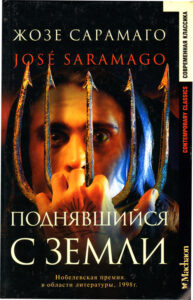
Machaon
2002 (Trans.: Aleksandr Bogdanovsky)
Language
Russian
Machaon
2002 (Trans.: Aleksandr Bogdanovsky)
Serbia
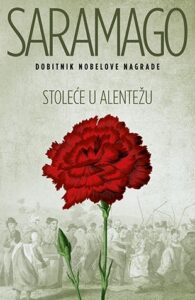
Porodična saga koja obuhvata gotovo čitav XX vek u Portugaliji, uključujući i „karanfil revoluciju“ 1974. godine, kada je posle četiri decenije srušena diktatura i uspostavljen demokratski sistem u zemlji. Roman duboko ličan, Stoleće u Alentežu (1980) prvo je Saramagovo delo s piščevim prepoznatljivim rukopisom, blistavim stilom koji zanemaruje pravopisne norme i specifičnim glasom i humorom koji uzdižu njegove romane do najviših ostvarenja savremene svetske književnosti.
Upe? portugalske povesti XX veka. Pod Saramagovim perom, socijalna istorija i prikaz napornog težačkog rada na selu uzdiže se do poetske metafore o ljudskom životu uopšte i čovekovoj veri u srećniju budućnost.
„Saramago je veliki majstor priča o stvarima koje je iskusio ili izmislio, ispoljavajući nesvakidašnje umeće da izbriše granice između doživljenog i izmaštanog.“ The New York Times
„Stoleće u Alentežu nije ni izdaleka tužna priča. Historical Novel Society
„Iz poglavlja u poglavlje ređaju se u ovom romanu predivne priče sa portugalskog sela, o kojima povremeno pisoc kao da ćaska sa čitaocem, što će u kasnijim romanima postati zaštitni znak njegovog pripovedačkog postupka.“ Bob Korbet
Turkey
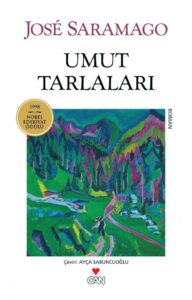
Umut Tarlaları, Nobel Ödülle Portekizli yazar José Saramago'nun Can Yayınları arasında, Körlük'ten sonra çıkan ikinci romanı. Yapıtlarında tarihe, bütün gelişmeleri ve rastlantısal ayrıntılarıyla yer veren, onu sıradan insanların beklentileri ve umutları ışığında sorgularken, yepyeni bir açıdan bakan José Saramago, hafif alaycı ve barok üslubuyla, zengin diliyle, ustalığını tartışılmaz bir biçimde gözler önüne seriyor. Portekiz'in güneyindeki Alentejo eyaleti, verimli toprakların göz alabildiğine uzandığı uçsuz bucaksız bir bölgedir. Halkı da bir yanda büyük çiftlik sahipleri, öte yanda düşük ücretlerle çalıştırdıkları yoksul tarım işçileridir. José Saramago, bu topraklarda yaşayan ve hayatta kalma savaşı veren bir aileyi, dört kuşak boyunca izliyor; ailenin öyküsünü, yüzyılımızın başından alarak 1974 devriminin hemen öncesine kadar getiriyor. Yoksul halkın, sömürücü güçlere ilk başkaldırışından, Portekiz'deki ilk örgütlü strike giden süreç içinde, tutuklanmalar, kovuşturmalar, zulüm ve işkence, ama ille de yoksulluk ve haksızlıklar anlatılıyor bu büyük romanda. Evrensel boyutlardaki toplumsal sorunlara parmak basan bu politik-tarihi roman, yazarın keskin gözlem gücüyle özgün ve unutulmaz bir Romana dönüşmüş.Kapaktaki resim: HERBERT TAUSS
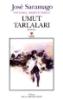
Umut Tarlaları, Nobel Ödülle Portekizli yazar José Saramago'nun Can Yayınları arasında, Körlük'ten sonra çıkan ikinci romanı. Yapıtlarında tarihe, bütün gelişmeleri ve rastlantısal ayrıntılarıyla yer veren, onu sıradan insanların beklentileri ve umutları ışığında sorgularken, yepyeni bir açıdan bakan José Saramago, hafif alaycı ve barok üslubuyla, zengin diliyle, ustalığını tartışılmaz bir biçimde gözler önüne seriyor. Portekiz'in güneyindeki Alentejo eyaleti, verimli toprakların göz alabildiğine uzandığı uçsuz bucaksız bir bölgedir. Halkı da bir yanda büyük çiftlik sahipleri, öte yanda düşük ücretlerle çalıştırdıkları yoksul tarım işçileridir. José Saramago, bu topraklarda yaşayan ve hayatta kalma savaşı veren bir aileyi, dört kuşak boyunca izliyor; ailenin öyküsünü, yüzyılımızın başından alarak 1974 devriminin hemen öncesine kadar getiriyor. Yoksul halkın, sömürücü güçlere ilk başkaldırışından, Portekiz'deki ilk örgütlü strike giden süreç içinde, tutuklanmalar, kovuşturmalar, zulüm ve işkence, ama ille de yoksulluk ve haksızlıklar anlatılıyor bu büyük romanda. Evrensel boyutlardaki toplumsal sorunlara parmak basan bu politik-tarihi roman, yazarın keskin gözlem gücüyle özgün ve unutulmaz bir Romana dönüşmüş.Kapaktaki resim: HERBERT TAUSS