The cave
It is a vision of a possible world, where human beings will want to inhabit the same commercial spaces that sell them what they need or believe they need. It is a metaphor for life in developed countries or those that, while not being developed, deceive themselves by virtue of a merely apparent prosperity.
Foundation
Portugal
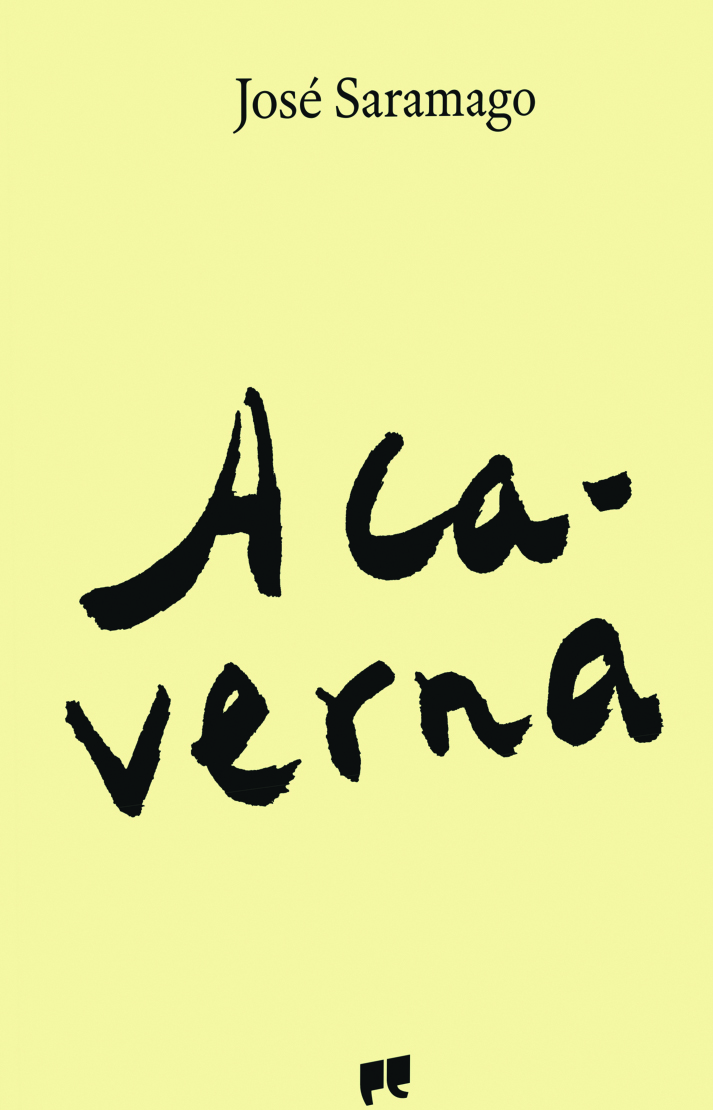
The calligraphy on the cover is by essayist Eduardo Lourenço.
A small pottery workshop, a gigantic shopping mall. One world rapidly disappearing, another growing and multiplying like a game of mirrors where there seems to be no limit to the deceptive illusion. This novel speaks of a way of life that is becoming less and less our own and looms at the entrance to a brave new world whose consequences on the human mentality are increasingly visible and threatening. Every day animal and plant species become extinct, every day professions become useless, languages cease to have speakers, traditions lose their meaning, feelings turn into their opposites. End of the century, end of the millennium, end of civilization.
Leya
2000, 3rd ed.
Language
Portuguese
A small pottery workshop, a gigantic shopping mall. One world rapidly disappearing, another growing and multiplying like a game of mirrors where there seem to be no limits to deceptive illusion. This novel speaks of a way of life that is becoming less and less our own and looms at the entrance to a brave new world whose consequences on the human mentality are increasingly visible and threatening. Every day animal and plant species become extinct, every day professions become useless, languages cease to have people who speak them, traditions lose their meaning, feelings turn into their opposites. End of century, end of millennium, end of civilization. A family of potters understands that they are no longer needed by the world. Like a snake shedding its skin to grow into another that will later become small, the shopping mall says to the pottery workshop: "Die, I no longer need you." In *The Cave*, José Saramago confronts the accelerated process of dehumanization we are experiencing. Together with his two previous novels – Blindness and All the Names – this new book forms a triptych in which the Author has inscribed his vision of the current world, of human society as we live it. We will not change our lives if we do not change life itself.
Editorial Path
2001
Language
Portuguese
A small pottery workshop, a gigantic shopping mall. One world rapidly disappearing, another growing and multiplying like a game of mirrors where there seem to be no limits to deceptive illusion. This novel speaks of a way of life that is becoming less and less our own and looms at the entrance to a brave new world whose consequences on the human mentality are increasingly visible and threatening. Every day animal and plant species become extinct, every day professions become useless, languages cease to have people who speak them, traditions lose their meaning, feelings turn into their opposites. End of century, end of millennium, end of civilization. A family of potters understands that they are no longer needed by the world. Like a snake shedding its skin to grow into another that will later become small, the shopping mall says to the pottery workshop: "Die, I no longer need you." In *The Cave*, José Saramago confronts the accelerated process of dehumanization we are experiencing. Together with his two previous novels – Blindness and All the Names – this new book forms a triptych in which the Author has inscribed his vision of the current world, of human society as we live it. We will not change our lives if we do not change life itself.
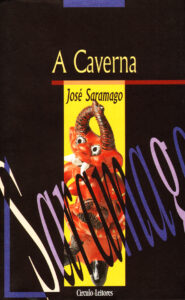
Circle of Readers
2001
Language
Portuguese
Circle of Readers
2001
Germany
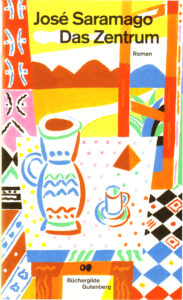
Der alte Cipriano Algor betreibt mit seiner Tochter Marta in einem portugiesischen Dorf eine kleine Töpferei. Seit Jahren schon verkauft er sein Tongeschirr an das Zentrum, einen gigantischen Einkaufs- und Wohnkomplex. Doch von einem Tag auf den anderen kündigt man ihm die Geschäftsbeziehungen: Sein Geschirr sei nicht mehr zeitgemäß. Doch so schnell gibt sich Algor nicht geschlagen.
Ein strahlendes Meisterwerk der Aufklärung, voller Menschenliebe und poetischer BrillanzDer alte Cipriano Algor betreibt mit seiner Tochter Marta in einem portugiesischen Dorf eine kleine Töpferei. Seine Waren verkauft er an das Einkaufszentrum. Eines Tages wird ihm mitgeteilt, dass man im Kunststoffzeitalter auf seine Dienste verzichten könne. Der Markt hat kein Interest an Tongeschirr. Doch so schnell mag Cipriano nicht aufgeben.“Und dann taucht ein Buch auf, einfach geschrieben und leicht wie das Glück, um es mit einem kurzen Wort auf die einfachste Art zu sagen. Und man denkt, da ist es ja endlich, und wer es nicht liest, ist selbst daran schuld.”(Süddeutsche Zeitung)Der alte Cipriano Algor betreibt mit seiner Tochter Marta in einem portugiesischen Dorf eine kleine Töpferei. Seine Teller, Tassen und Krüge verkauft er an ein hypermodernes Einkaufszentrum in der Stadt. Eines Tages wird ihm an der Laderampe lakonisch mitgeteilt, dass Plastik viel besser sei als Ton und dass man künftig auf seine Dienste verzichten könne. Der Markt will es so. Doch der Markt hat seine Rechnung ohne Cipriano gemacht. Der weise Alte wehrt sich, kämpft, stellt in Frage und lernt, dass es nie zu spät ist, zu Neuem aufzubrechen. Er hat eine geniale Idee, um die modernen Zeiten auf der Überholspur einzuholen. Bei deren Umsetzung helfen ihm die reizvolle Witwe Isaura, sein pfiffiger Schwiegersohn Marçal, der beim Sicherheitsdienst des Einkaufszentrums Karriere macht, und ein zugelaufener Hund. Doch der Mensch, sagt Platon, sieht nie die Dinge selbst, sondern stets nur ihre Schatten. Als Cipriano unter dem Einkaufszentrum, wo Bagger die Erde für eine neue Kühlanlage ausheben, eine Höhle entdeckt, betreten wir “Saramagos Terrain der großen Geheimnisse, der wahren Mirakel, die resistent sind gegen Deutung, Aufschluss, Klärung” (Frankfurter Rundschau).
Aktuell wie nie: Saramagos große Kritik an Globalisierung und totalitären Systemen!Der alte Cipriano Algor betreibt mit seiner Tochter Marta in einem portugiesischen Dorf eine kleine Töpferei. Seit Jahren schon verkauft er sein Tongeschirr an das Zentrum, einen gigantischen Einkaufs- und Wohnkomplex. Doch von einem Tag auf den anderen kündigt man ihm die Geschäftsbeziehungen: Sein Geschirr sei nicht mehr zeitgemäß. Doch so schnell gibt sich Algor nicht geschlagen. Er töpfert Figuren, die er über das Zentrum verkaufen lassen will. Als man ihm wieder Steine in den Weg legt, nimmt der kleine Töpfer den Kampf gegen das übermächtige Zentrum auf.
Büchergilde Gutenberg
2002 (Translated by Marianne Gareis)
Argentina
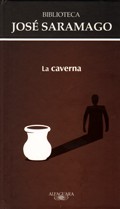
«What extraña scene describes and what extraños prisoners, Son igaules a nosotros». Platón, Republic, Book VIIA small tailor shop, a gigantic shopping center. A world in a rapid process of extinction, another that grows and multiplies like a game of mirrors where there seems to be no limits to the deceitful illusion. The cave speaks of a way of living that is increasingly becoming less and less ours. Every day animal and plant species become extinct, every day there are professions that become useless, languages that no longer have people who are capable of them, traditions that lose meaning, feelings that are converted into their contraries. A family of alfareros understands that It has become necessary for the world. Like a creature that changes its skin so that it can grow up while another that grows older will also become small, the shopping center says to the tailor shop: «Move away, I don't need you». current world, of human society as we live there. In short: we will not change our lives if we do not change our lives.
Belarus
2019 (Noblesse Oblige Collection) (Trans.: Галіна Мітраховіч (Galina Mitrohovitch))
Language
Russian
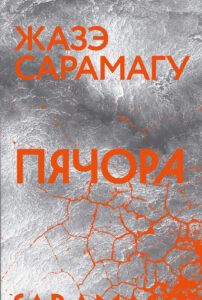
«Пячора» — раман знакамітага партугальскага пісьменніка, лаўрэата Нобелеўскай прэміі 1998 года Жазэ Сарамагу (1922–2010). У творы пісьменнік звярнуўся да міфа аб пячоры Платона. На беларускую мову кнігу пераклала Галіна Мітраховіч.
Сям'я вясковых ганчароў прадае свой посуд у аграмадным Цэнтры, дзе людзі жывуць, працуюць, наведваюць крамы. Але іх вырабы не патрэбны ў горадзе — посуд перасталі пакупаць. Хутка і ганчары становяцца жыхарамі Цэнтра. Пераезд памяняе жыццё цэлай сям'і. Сарамагу Творчасць пісьменніка злучае ў сабе элементы традыцыйнага еўрапейскага рэалізму і магічнага рэалізму такіх аўтараў-лацінамерыканцаў, як Габрыель Гарсія Маркес і Марыа Варгас Льёса, а таксама спалучае ў творах багатае барока і мадэрнізм з яго пазбяганнем звычайнай пунктуацыі, як у Хорхе Луіса Борхеса ці Хуліа Картасара. Сарамагу зарэкамендаваў сябе як творчы і іранічны апавядальнік. Песімістычны і сур'ёзны, ясны і элегантны — так, па версіі брытанскай газеты The Independent, можна ахарактарызаваць стыль партугальскага пісьменніка.
Brazil
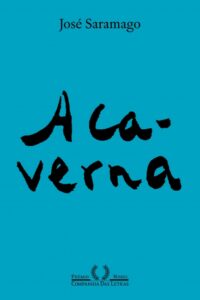
The calligraphy on the cover is by Professor Eduardo Lourenço.
Inspired by one of Plato's best-known myths, The cave It's a story of simple people: a potter, a guard, two women, and a very human dog. Together, they find clarity in a world where the prisoners of modernity, deluded, confuse shadows with reality.
The Cave is a story of simple people: a potter, a guard, two women, and a very human dog. These characters circulate through the Center, a gigantic monument to consumerism where residents wear badges, are monitored by video cameras, and cannot open their windows. It is in the Center that the guard Marçal works. His father-in-law, the potter Cipriano, used to sell the earthenware he handcrafted in the small village where he lives – now, the Center's customers prefer plastic plates and jugs. Without another occupation, Cipriano loses his reason for living. And at his son-in-law's invitation, he moves to the Center, this veritable grotto where thousands of people have fun, eat, and work without seeing the sunlight or moonlight. Meanwhile, beneath the various basements, the Center's employees discover a strange cave. Evading the security, Cipriano manages to get inside. What he discovers is terrifying. In this modern version of Plato's allegory of the cave, José Saramago subtly presents the cruel face of the capitalist and technological world.
Inspired by one of Plato's best-known myths, The cave It's a story of simple people: a potter, a guard, two women, and a very human dog. Together, they find clarity in a world where the prisoners of modernity, deluded, confuse shadows with reality.
The Cave is a story of ordinary people: a potter, a guard, two women, and a very human dog. These characters move around the Center, a gigantic monument to consumerism where residents wear badges, are monitored by video cameras, and cannot open their windows.
It is at the Center that the guard Marçal works. His father-in-law, the potter Cipriano, used to sell the earthenware he handcrafted in the small village where he lives – now, the Center's customers prefer plastic plates and jugs. Without another job, Cipriano loses his reason for living. And at his son-in-law's invitation, he moves to the Center, this veritable grotto where thousands of people have fun, eat, and work without seeing the light of the sun or the moon. Meanwhile, beneath the various basements, the Center's employees discover a strange cave. Evading the security, Cipriano manages to get inside. What he discovers is terrifying.
In this modern version of Plato's allegory of the cave, José Saramago subtly presents the cruel face of the capitalist and technological world.
The calligraphy on the cover is by professor and philosopher Eduardo Lourenço.
Colombia
A small grocery store, a gigantic shopping center. A world in a rapid process of extinction, another that grows and multiplies like a game of mirrors where there seems to be no limits to the deceitful illusion. Every day animal and plant species become extinct, every day there are professions that become useless, languages that no longer have people who are capable of them, traditions that lose meaning, feelings that become their opposites.
A family of alfareros understands that they are no longer needed by the world. Like a snake that changes its skin so that it can grow, while another that grows older will also become small, the shopping center says to the tailor shop: «Give up, I don't need you».
An impressive parable about the current world and the true meaning of change.
Korea
Denmark
Spain
«What extraña scene describes and what extraños prisoners. They are equal to us».
Platon, Republic, Book VII
A small grocery store, a gigantic shopping center. A world in a rapid process of extinction, another that grows and multiplies like a game of mirrors where there seems to be no limits to the deceitful illusion. The cave speaks of a way of living that is becoming less and less ours. Every day animal and plant species become extinct, every day there are professions that become useless, languages that no longer have people who are capable of them, traditions that lose meaning, feelings that become their opposites.
A family of alfareros understands that they are no longer needed by the world. Like a snake that changes its skin so that it can grow, while a snake that grows longer will also become small, the shopping center seems to say to the tailor shop: «Move away, I don't need you».
As is usual in his body of work, in this novel Saramago shapes his vision of the world of today and of human society as we live it. And it reminds us that we won't change our lives if we don't change our lives.
Alfaguara / Penguin Random House
2015 (DeBolsillo — Contemporánea) (Trans.: Pilar del Río)
Language
Spanish
With two previous novels, Ensayo sobre la blindness and Todos los nombres, this new book by José Saramago, forms a triptych in which the author writes his vision of the current world.
A small grocery store, a gigantic shopping center. A world in a rapid process of extinction, another that grows and multiplies like a game of mirrors where there seems to be no limits to the deceitful illusion. Every day animal and plant species become extinct, every day there are professions that become useless, languages that no longer have people who are capable of them, traditions that lose meaning, feelings that become their opposites.
A family of alfareros understands that they are no longer needed by the world. Like a snake that changes its skin so that it can grow, while another that grows older will also become small, the shopping center says to the tailor shop: «Give up, I don't need you».
An impressive parable about the current world and the true meaning of change.
Alfaguara / Penguin Random House
2011 (Saramago Library Collection); (Translated by Pilar del Río)
Language
Spanish
With two previous novels, Ensayo sobre la blindness and Todos los nombres, this new book by José Saramago, forms a triptych in which the author writes his vision of the current world.
A small grocery store, a gigantic shopping center. A world in a rapid process of extinction, another that grows and multiplies like a game of mirrors where there seems to be no limits to the deceitful illusion. Every day animal and plant species become extinct, every day there are professions that become useless, languages that no longer have people who are capable of them, traditions that lose meaning, feelings that become their opposites.
A family of alfareros understands that they are no longer needed by the world. Like a snake that changes its skin so that it can grow, while another that grows older will also become small, the shopping center says to the tailor shop: «Give up, I don't need you».
An impressive parable about the current world and the true meaning of change.
Alfaguara / Penguin Random House
2000, 2002 (pocket edition) (Punto de Lectura - pocket edition) (Trans.: Pilar del Río)
Language
Spanish
With two previous novels, Ensayo sobre la blindness and Todos los nombres, this new book by José Saramago, forms a triptych in which the author writes his vision of the current world.
A small grocery store, a gigantic shopping center. A world in a rapid process of extinction, another that grows and multiplies like a game of mirrors where there seems to be no limits to the deceitful illusion. Every day animal and plant species become extinct, every day there are professions that become useless, languages that no longer have people who are capable of them, traditions that lose meaning, feelings that become their opposites.
A family of alfareros understands that they are no longer needed by the world. Like a snake that changes its skin so that it can grow, while another that grows older will also become small, the shopping center says to the tailor shop: «Give up, I don't need you».
An impressive parable about the current world and the true meaning of change.
Readers' Circle
2001 (Translated by Pilar del Río)
Language
Spanish
Readers' Circle
2001 (Translated by Pilar del Río)
«The cave explains the history of a landowner, Cipriano Algor, in his family. His world is condemned to death, but four passes hi there is another world, the Center, huge, monstrous, that believes and multiplies Marx's forces, which, eventually, rejects the products of the territory because he considers them only obsolete. The circumstances obliguen Cipriano to abandon his office and the poor on which he always saw his life; end up being a vire at the Center, where you are artificial. Ja no hi ha un lloc per a ells, en questa societat. From one side, from the top of the territory, from the other side, from the great commercial center, from the Center, alone from the monks in a constant dispute, it is the economic power that is the crux of the sense that scruples the tradition.»
«The cave explains the history of a landowner, Cipriano Algor, in his family. His world is condemned to death, but four passes hi there is another world, the Center, huge, monstrous, that believes and multiplies Marx's forces, which, eventually, rejects the products of the territory because he considers them only obsolete. The circumstances obliguen Cipriano to abandon his office and the poor on which he always saw his life; end up being a vire at the Center, where you are artificial. Ja no hi ha un lloc per a ells, en questa societat. From one side, from the top of the territory, from the other side, from the great commercial center, from the Center, alone from the monks in a constant dispute, it is the economic power that is the crux of the sense that scruples the tradition.»
USA
Cipriano Algor, an elderly potter, lives with his daughter Marta and her husband Marçal in a small village on the outskirts of The Center, an imposing complex of shops, apartments, and offices to which Cipriano delivers his pots and jugs every month. On one such trip, he is told not to make any more deliveries. Unwilling to give up his craft, Cipriano tries his hand at making ceramic dolls. Astonishingly, The Center places an order for hundreds, and Cipriano and Marta set to work-until the order is canceled and the three have to move from the village into The Center. When mysterious sounds of digging emerge from beneath their apartment, Cipriano and Marçal investigate, and what they find transforms the family's life. Filled with the depth, humor, and the extraordinary philosophical richness that marks each of Saramago's novels, The Cave is one of the essential books of our time.PRAISE FOR THE CAVE”Nothing about The Cave feels like the work of either an old man of 80 or a world-famous author playing it safe. . . . It is yet another triumph . . . for Portugal's, or even the world's, greatest living novelist. Read it.”–The Washington Post Book World”As with Proust, to be drawn into a Saramago sentence is to be drawn into a world that takes shape out of a maze. . . . His human voices wake us and we live.”–The New York Times Book Review
This collection, available exclusively in e-book form, brings together the twelve novels (and one novella) of the great Portuguese writer José Saramago, with an introductory essay by Ursula Le Guin. From Saramago's early work, like the enchanting Baltasar & Blimunda and the controversial Gospel According to Jesus Christ, through his masterpiece Blindness and its sequel Seeing, to his later fables of politics, chance, history, and love, like All the Names and Death with Interruptions, this volume showcases the range and depth of Saramago's career, his inimitable narrative voice, and his vast reserves of invention, humor, and understanding.
Finland
Luola on klassinen allegoria ajallemme hyvin tyypillisestä ilmiöstä ja samalla lämmin, täyteläinen kertomus pienestä perheyhteisöstä.Cipriano Algor on iäkäs savenvalaja, joka asuu pienessä kylässä kaupungin laidalla tyttärensä Martan ja vävynsä Marçalin kanssa. Vävy työskentelee vartijana läheisessä Keskuksessa, valtavassa kolossissa, joka sulkee sisäänsä kaikki mahdolliset inhimillisen elämän muodot: siellä on kauppoja, asuntoja, toimistoja, huvittelumahdollisuuksia, krematorio ym. Keskus on myös ottanut myyntiin Ciprianon savipajan tuotteita, mutta eräänä päivänä sieltä ilmoitetaan, että hänen tavaransa eivät enää käy kaupaksi ja ne pitäisi hakea pois. Cipriano ja Marta keksivät tarjota myyntiin pieniä keramiikkanukkeja, much sekin hanke raukeaa tyhjiin. Jonkin ajan kuluttua Keskuksen uumenista tehdään kuitenkin outo löytö: luola jossa on kahlehdittuja ihmisruumiita. Kun Cipriano ja Marçal ovat sen nähneet, heidän on pakko ottaa elämälleen uusi suunta. « Palaa kirjan esittelyyn
France
Cipriano Algor is better. Il vit avec sa fille Marta et son Gendre Marçal dans un petit village non loin d'un gigantic center commercial, une batisse de 48 étages avec magasins, restaurants, bars, swimming pools, medical services, appartements très convoités et un service d'ordre féroce. Lorsque le center fait savoir à Cipriano Algor que sa vaisselle en terre cuite, rustique, cassable et démodée ne fera plus l'objet d'aucune commande, le potier comprend que tout ce qui avait donné sens à sa vie a brutalement disparu. Il ne lui restera plus alors, au fil d'un long cheminement, qu'à essayer de sauver par l'imagination et la rébellion un monde en voie de disparition, rongé par un autre qui grandit et se multiplie comme dans un jeu de miroirs où l'illusion trompeuse ne connaît pas delimites.Avec L'Aveuglement et Tous les noms, La Caverne forms a triptyque dans lequel José Saramago nous livre sa vision d'un monde courant au désastre en même temps que son attachment profond aux valeurs universelles de l'humanisme. and see the world if Detraquer un peu plus, comme si l'humanité courait à sa perte. «André Clavel
Cipriano Algor is better. Il vit avec sa fille Marta et son Gendre Marçal dans un petit village non loin d'un gigantic center commercial, une batisse de 48 étages avec magasins, restaurants, bars, swimming pools, medical services, appartements très convoités et un service d'ordre féroce. Lorsque le center fait savoir à Cipriano Algor que sa vaisselle en terre cuite, rustique, cassable et démodée ne fera plus l'objet d'aucune commande, le potier comprend que tout ce qui avait donné sens à sa vie a brutalement disparu. Il ne lui restera plus alors, au fil d'un long cheminement, qu'à essayer de sauver par l'imagination et la rébellion un monde en voie de disparition, rongé par un autre qui grandit et se multiplie comme dans un jeu de miroirs où l'illusion trompeuse ne connaît pas delimites.Avec L'Aveuglement et Tous les noms, La Caverne forms a triptyque dans lequel José Saramago nous livre sa vision d'un monde courant au désastre en même temps que son attachment profond aux valeurs universelles de l'humanisme. and see the world if Detraquer un peu plus, comme si l'humanité courait à sa perte. «André Clavel
Greece

Μια οικογενειακή χειροτεχνία που κλείνει. Ένα γιγάντιο εμπορικό Κέντρο-φρούριο που εξαπλώνεται. Αυτό είναι το σκηνικό της Σπηλιάς, η αφορμή για να συμπληρώσει ο Πορτογάλος συγγραφέας την «ακούσια τριλογία» του (μαζί με τα έργα Περί τυφλότητος και Όλα τα ονόματα) και τον προβληματισμό του για τη νέα τάξη του κόσμου. The Σαραμάγκου αφηγείται τις τύχες του Σιπριάνο Αλγκόρ, ενός κεραμοποιού που βλέπει την τέχνη του και την οικογενειακή ζωή του να αλλάζουν όταν το μυστηριώδες εμπορικό Κέντρο παύει να αγοράζει τα έργα του, ενώ η κόρη και ο γαμπρός του τον προσκαλούν να μετακομίσει μαζί τους μέσα στο αύταρκες Κέντρο, όπου η κατανάλωση είναι υποχρεωτική και η δημιουργία ανεπιθύμητη. Με τη γνωστή αφηγηματική συνοχή και δραματική ένταση, ο Σαραμάγκου χτίζει ένα παντοδύναμο και απειλητικό Κέντρο που καταπίνει την πόλη γύρω του, τις παραγκουπόλεις, τους αγρούς, τις παλιές τέχνες και τους πατροπαράδοτους τρόπους ζωής. Υπάρχει, αλήθεια, λύση; Η σπηλιά είναι το πρώτο μετά το Νόμπελ μυθιστόρημα που έγραψε ο συγγραφέας.
Μια οικογενειακή χειροτεχνία που κλείνει. Ένα γιγάντιο εμπορικό Κέντρο-φρούριο που εξαπλώνεται. Αυτό είναι το σκηνικό της Σπηλιάς, η αφορμή για να συμπληρώσει ο Πορτογάλος συγγραφέας την «ακούσια τριλογία» του (μαζί με τα έργα Περί τυφλότητος και Όλα τα ονόματα) και τον προβληματισμό του για τη νέα τάξη του κόσμου. The Σαραμάγκου αφηγείται τις τύχες του Σιπριάνο Αλγκόρ, ενός κεραμοποιού που βλέπει την τέχνη του και την οικογενειακή ζωή του να αλλάζουν όταν το μυστηριώδες εμπορικό Κέντρο παύει να αγοράζει τα έργα του, ενώ η κόρη και ο γαμπρός του τον προσκαλούν να μετακομίσει μαζί τους μέσα στο αύταρκες Κέντρο, όπου η κατανάλωση είναι υποχρεωτική και η δημιουργία ανεπιθύμητη. Με τη γνωστή αφηγηματική συνοχή και δραματική ένταση, ο Σαραμάγκου χτίζει ένα παντοδύναμο και απειλητικό Κέντρο που καταπίνει την πόλη γύρω του, τις παραγκουπόλεις, τους αγρούς, τις παλιές τέχνες και τους πατροπαράδοτους τρόπους ζωής. Υπάρχει, αλήθεια, λύση; Η σπηλιά είναι το πρώτο μετά το Νόμπελ μυθιστόρημα που έγραψε ο συγγραφέας.
Μια οικογενειακή χειροτεχνία που κλείνει. Ένα γιγάντιο εμπορικό Κέντρο-φρούριο που εξαπλώνεται. Αυτό είναι το σκηνικό της Σπηλιάς, η αφορμή για να συμπληρώσει ο Πορτογάλος συγγραφέας την «ακούσια τριλογία» του (μαζί με τα έργα Περί τυφλότητος και Όλα τα ονόματα) και τον προβληματισμό του για τη νέα τάξη του κόσμου. The Σαραμάγκου αφηγείται τις τύχες του Σιπριάνο Αλγκόρ, ενός κεραμοποιού που βλέπει την τέχνη του και την οικογενειακή ζωή του να αλλάζουν όταν το μυστηριώδες εμπορικό Κέντρο παύει να αγοράζει τα έργα του, ενώ η κόρη και ο γαμπρός του τον προσκαλούν να μετακομίσει μαζί τους μέσα στο αύταρκες Κέντρο, όπου η κατανάλωση είναι υποχρεωτική και η δημιουργία ανεπιθύμητη. Με τη γνωστή αφηγηματική συνοχή και δραματική ένταση, ο Σαραμάγκου χτίζει ένα παντοδύναμο και απειλητικό Κέντρο που καταπίνει την πόλη γύρω του, τις παραγκουπόλεις, τους αγρούς, τις παλιές τέχνες και τους πατροπαράδοτους τρόπους ζωής. Υπάρχει, αλήθεια, λύση; Η σπηλιά είναι το πρώτο μετά το Νόμπελ μυθιστόρημα που έγραψε ο συγγραφέας.
Netherlands
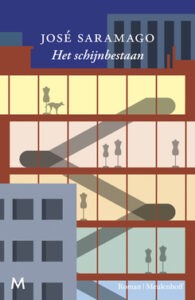
Voor iedereen die genoten heeft van Saramago's bekendste romans De stad der blinden en De stad der zienden
In de roman Het schijnbestaan komt het bestaan van een pottenbakker in gevaar als het kolossale winkelcentrum waaraan hij zijn traditionele keramiek levert niet langer van zijn handwerk gediend is. Met grote moeite past de pottenbakker zijn product aan, maar dat betekent slechts uitstel van executie. Saramago schetst in ten vertelling of verwording van de moderne mens: gericht op consumption en zonder menselijkheid.
Pers over het werk by José Saramago
‘'Een groot schrijver verontrust, ontroert en ergert zijn lezers. Zo ook Saramago.' By Groene Amsterdammer
‘'Een unieke, moderne parabel, psychologisch glashelder en politiek uitzichtloos tegelijk.' De Groene Amsterdammer over De stad der blinden
‘'Een ingrijpend fictief verslag van hoe een hele maatschappij in één maand volledig kan instorten.' NRC Handelsbladover
Voor iedereen die genoten heeft van Saramago's bekendste romans De stad der blinden en De stad der zienden
In de roman Het schijnbestaan komt het bestaan van een pottenbakker in gevaar als het kolossale winkelcentrum waaraan hij zijn traditionele keramiek levert niet langer van zijn handwerk gediend is. Met grote moeite past de pottenbakker zijn product aan, maar dat betekent slechts uitstel van executie. Saramago schetst in ten vertelling of verwording van de moderne mens: gericht op consumption en zonder menselijkheid.
Pers over het werk by José Saramago
‘'Een groot schrijver verontrust, ontroert en ergert zijn lezers. Zo ook Saramago.' By Groene Amsterdammer
‘'Een unieke, moderne parabel, psychologisch glashelder en politiek uitzichtloos tegelijk.' De Groene Amsterdammer over De stad der blinden
‘'Een ingrijpend fictief verslag van hoe een hele maatschappij in één maand volledig kan instorten.' NRC Handelsbladover
Voor iedereen die genoten heeft van Saramago's bekendste romans De stad der blinden en De stad der zienden
In de roman Het schijnbestaan komt het bestaan van een pottenbakker in gevaar als het kolossale winkelcentrum waaraan hij zijn traditionele keramiek levert niet langer van zijn handwerk gediend is. Met grote moeite past de pottenbakker zijn product aan, maar dat betekent slechts uitstel van executie. Saramago schetst in ten vertelling of verwording van de moderne mens: gericht op consumption en zonder menselijkheid.
Pers over het werk by José Saramago
‘'Een groot schrijver verontrust, ontroert en ergert zijn lezers. Zo ook Saramago.' By Groene Amsterdammer
‘'Een unieke, moderne parabel, psychologisch glashelder en politiek uitzichtloos tegelijk.' De Groene Amsterdammer over De stad der blinden
‘'Een ingrijpend fictief verslag van hoe een hele maatschappij in één maand volledig kan instorten.' NRC Handelsbladover
Hungary

A barlang igazi saramagói vízió, annak minden ismérvével együtt: izgalmas és filozofikus, tételszerûen feszes és fecsegõ, pesszimista es lélekemelõn emberi egyszerre. Mint mindig, most is egy fantasztikus ötlet áll a középpontban: a Platón Államából ismert barlang és a benne megélhetõ árnyék-élet áttéve a közeljövõ valóságába. Csakhogy itt – ráadásul egy földrajzilag és idõben egyaránt meghatározhatatlan helyen – egy embertelen méretûvé nõtt üzletközpont, egy mindent felfaló, gigantikus fogyasztói képzõdmény testíti meg a platóni barlangot, míg vele szemben a „kinti”, a valós élet egyre valószerûtlenebbé vailik. Ez utóbbit képviseli a fõszereplõ, egy fazekasmester, aki egy szép napon azon kapja magát, hogy õ és a mestersége (rajta keresztül pedig a föld, az õsi agyag, melybõl minden, talán maga az ember is vétetett) már nem kell a mûanyagokat és mûélményeket fogyasztó moderntársadalomnak. Két világ nor éppen derûlátó konfliktusát dolgozza fel – és hagyja megoldatlanul – Saramago Platón-parafrázisa, A barlang.
India
Israel
(מרים טבעון)]רק סאראמאגו, הסופר הכי חי באירופה, יכול להפיח רוח-חיים כזאת, חום אנושי כזה, זרימה עוצרת נשימה, בחומריו של הרומאן. האלכימיה של כישרונו העצום הופכת כאן את החימר לזהב ספרותי. סיפּריָאנוֹ אַלגוֹר, קדר בן 64, אלמן, חי עם בתו מרתה ועם בעלה מרסאל בכפר שחיו בו גם אבותיו. את כלי-החרס שהוא מייצר הוא מספק לקניון העירוני, מרכז בולעני הולך-ומתפשט. אך הקניון מנתק את הקשר המסחרי – הלקוחות כבר אינם מעוניינים בכלים הללו. מרסאל עובד כשומר בקניון, עבודה שהיא על גבול המעקב והריגול, ומצפה לדרגת שומר-תושב, שתזכה אותו בדירה בתוך הקניון. ויש כמובן אשה נוספת, שסיפריאנו פוגש בבית-הקברות: אלמנה צעירה, שלא נראית כבת יותר מ-45. תהיה איפוא גם אפשרות לאהבה חדשה, אך זו נראית לא-מציאותית כרגע, לא הוגנת. ובשביל לרקוח מה שאנו מצפים מסאראמאגו, רצוי גם כלב, שיחשוב לפעמים במקום אדונו, והוא אכן מופיע – כלב רגיש ופיקח, שלא רק יאפשר מהלכים חשובים בעלילה, אלא גם יספק לסאראמאגו את החירות של נקודות-המבט המתחלפות שכה אהובות עליו: לעצור לרגע ולראות אחרת, עד שתתקבל אותה זרימה שבעודה זורמת לכיוון אחד, היא בעצם מתקדמת בכיוון לא-צפוי. בהיעדר ביקוש לעבודותיו, לאלגור אין ברירה אלא להצטרף לבתו ולבעלה, ולעבור לחיות בקניון, סמוך על שולחנם, בלי מחר, בלי שתהיה לו תשובה לשאלה, מה אני עושה עכשיו ולמה. הקניון לכאורה מאיר-עיניים ללקוחות ולדיירים, אך למעשה הוא עולם סגור של תחליפים, המבטל את האוטונומיה האנושית של השוהים בו. שלל האורות הוא רק צל של עולם. יום אחד יחשפו חפירות-בנייה בקניון משהו מסתורי, מפחיד, שדורש חקירה זהירה וממושכת. כך יתחיל המהפך, ומה שנראה סופי, סגור, כובל ומצמית – ייפתח לפתע. זהו ספר שמעמיד מול הטוטליטריות המצמיתה, שיודעת-במקומך, את הרוח שמפיחה בחיים רוח-חיים: הלוא היא חדוות העשייה, וקיומו של מחר, שבו גם יקשיבו למי-שאתה, ותהיה בו אהבה.
Italy
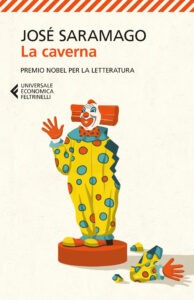
“Anche le ideae sbagliate puedo essere belle”
La vicenda is central to this family of artigiani composed of Cipriano Algor, Vasaio, his fiance Marta and his brother Marçal, guardian in proof of pressure at the Center, a mysterious figure, the fulcrum of his economic and administrative activities. La vita proceeds normally, with the vasaio that consegna a scadenze regolari his sue stoviglie in the magazzino del Centro, finché un giorno, inaspettatamente, il Centro annulla il suo ordine per le ceramiche, getting Cipriano nell'angoscia di um future improbably uncertain. At that point priest and figlia I decided to cement it in a new project: his statuette d'argilla raffiguranti diverse personaggi. Control your predictions, the Center accesses your purchases. But, quickly, the ordine came annullato and Cipriano, the figlia and the genre did not reach the Scelta who moved to the Center, Marçal had access to an apartment. Soon after the essence was transferred, it began to feel mysterious rumors that came from sotto la loro casa. The loro indagine li condurrà a svelare a mystery, which forever transforms the loro andsistenza. In that case, it is a definito stato, a good title, one of my fondest novels of our time, Saramago focuses on our essence in balia I gave my globalization and a bureaucratic potrene that is back, amiccante and al contempo spietato.
Einaudi
2000 (Translated by Rita Desti)
Language
Italian
The Platonic myth of the cave, revisited by Saramago and brought to our lives: the story of a vase that came rifiutata the solitary fornification of the storage of the Center – an almost infinite and malignant construction, like the Library of Borges, like the manicomio-lager of Cecità, like the Archive of Signor José in Tutti i nomi – symbol of the potere nell'età della globalizzazione. The artigiano could be seen costretto inventing another product and, surprisingly, confronting it with the central core, surrounding the terrible secret, a vast secret racchiuso in its deep viscere.
Einaudi
2000 (Translated by Rita Desti)
Language
Italian
The Platonic myth of the cave, revisited by Saramago and brought to our lives: the story of a vase that came rifiutata the solitary fornification of the storage of the Center – an almost infinite and malignant construction, like the Library of Borges, like the manicomio-lager of Cecità, like the Archive of Signor José in Tutti i nomi – symbol of the potere nell'età della globalizzazione. The artigiano could be seen costretto inventing another product and, surprisingly, confronting it with the central core, surrounding the terrible secret, a vast secret racchiuso in its deep viscere.
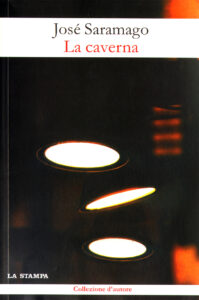
La Stampa
2006 (Translated by Rita Desti)
Language
Italian
La Stampa
2006 (Translated by Rita Desti)
Mexico
A young alfarero undertakes a new strategy in his sales. Martial, your yerno, you are ascended in your work. But everything fails and the family must move to the city. A rumor about a mysterious construction leads the old Alfarero to discover a big secret.
Norway
Krukkemakeren Cipriano Algor får ikke levert varene sine til Senteret lenger. Stentøy er avleggs, det er plast folk vil ha nå for tiden. Med et så stort lager av uomsettelige krukker har han god råd til å forære én til enken i nabolaget. Dermed innledes en kurtise, med store forbehold. Samtidig får Ciprianos svigersønn stilling som fastboende sikkerhetsvakt på Senteret, med fullt utstyrt leilighet i fireogtredevte etasje, med plass også for gamlefar. Meget motstridende flytter de fra landsbyen, hunden, naboenken og det frie liv.En natt må sikkerhetsvakten ut på hemmelig jobb under Senterets underste underetasjer. Det er gjort et uhyggelig funn der i dypet. Cipriano smyger mon forbi alt vakthold og tar selv grottens innhold i øyesyn. Mens familien flykter tilbake til en usikker fremtid, til hunden og enken, griper Senteret sjansen til å snu den underjordiske grottens uheldige PR-potensiale til enda en mulighet for å lokke til seg kunder.
Krukkemakeren Cipriano Algor får ikke levert varene sine til Senteret lenger. Stentøy er avleggs, det er plast folk vil ha nå for tiden. Med et så stort lager av uomsettelige krukker har han god råd til å forære én til enken i nabolaget. Dermed innledes en kurtise, med store forbehold. Samtidig får Ciprianos svigersønn stilling som fastboende sikkerhetsvakt på Senteret, med fullt utstyrt leilighet i fireogtredevte etasje, med plass også for gamlefar. Meget motstridende flytter de fra landsbyen, hunden, naboenken og det frie liv.En natt må sikkerhetsvakten ut på hemmelig jobb under Senterets underste underetasjer. Det er gjort et uhyggelig funn der i dypet. Cipriano smyger mon forbi alt vakthold og tar selv grottens innhold i øyesyn. Mens familien flykter tilbake til en usikker fremtid, til hunden og enken, griper Senteret sjansen til å snu den underjordiske grottens uheldige PR-potensiale til enda en mulighet for å lokke til seg kunder.
UK
A quietly unsettling yet also charming tale The atmosphere and story are pure Orwell, but Saramago's southern Europe rhythms and colour-soaked imagery link him even more firmly to a gritty yet dreamlike magic realism… Carson Howat, The Scotsman
Cipriano Algor, an aging potter, lives with his daughter and her husband in the shadow of the Center, a nebulous, constantly expanding conglomerate that provides his livelihood – until he decrees that he is no longer interested in his humble wares. Together with his daughter, they craft a new line of small ceramic figurines and, to their bafflement, the Center orders vast quantities. But once the figures are complete, the Center recants: there is no market for them. Resigned to idleness Cipriano moves into the soulless megaplex, until late one night he comes across a horrifying secret in the bowels of the artificial city. The Cave is a harrowing, joyful masterpiece: an Orwellian nightmare, a family fable and an uplifting love story.
What distinguishes the book is the concern Saramago breathes over his characters; like potter's clay, they are patiently molded into their best shape, retaining soft marks of memory. David Jays, Guardian
A quietly unsettling yet also charming tale The atmosphere and story are pure Orwell, but Saramago's southern Europe rhythms and colour-soaked imagery link him even more firmly to a gritty yet dreamlike magic realism… Carson Howat, The Scotsman
Cipriano Algor, an aging potter, lives with his daughter and her husband in the shadow of the Center, a nebulous, constantly expanding conglomerate that provides his livelihood – until he decrees that he is no longer interested in his humble wares. Together with his daughter, they craft a new line of small ceramic figurines and, to their bafflement, the Center orders vast quantities. But once the figures are complete, the Center recants: there is no market for them. Resigned to idleness Cipriano moves into the soulless megaplex, until late one night he comes across a horrifying secret in the bowels of the artificial city. The Cave is a harrowing, joyful masterpiece: an Orwellian nightmare, a family fable and an uplifting love story.
What distinguishes the book is the concern Saramago breathes over his characters; like potter's clay, they are patiently molded into their best shape, retaining soft marks of memory. David Jays, Guardian
Romania
Urmind capodoperelor Eseu despre orbire si Toate numele, reeditate de curind in serie de auteur dedicated to Lui Jose Saramago in cadrul colectiei „Biblioteca Polirom”, Pestera are a theme opozitia between virtual reality, the light of created simulacre of postindustrial society, if traditional reality a artizanului. The family of mestesugari, olari din tata-n fiu, betrayed itself iubeste in umbra Centrului, the constructie tentaculara menita sa le asigure oamenilor fascinati de ea absolut total, de la produse de consum pina la „senzatii naturale”: muscatura gerului, mingiierea soarelui, ba chiar sentimentul de a se gasi in pestera din mitul platonic, model abreviat al unei lumi in care intoarcem spatele realitatii, privind hallucinantele umbre deformate aruncate pe un zid. If in previous novels written in Portuguese, in Pestera two distinct universities are encountered: one aflat in one rapid process of extinction if one grows if one multiplies asemenea unui joc de oglinzi, confruntare ce reflectsa criza sfirsitului de secol si de mileniu.„Viata noastra devine din " (Jose Saramago)«Depart from a se culca por lauri, Jose Saramago, detinatorul Premiului Nobel pentru Literatura pe anul 1998, revine cu un nou roman: o allegorie amara, tulburatoare, o lucrare de exceptie care se alatura celorlalte doua capodopere: Eseu despre orbire si Toate numele.» (Kirkus Reviews)“Saramago is an extraordinary enabler of transformation or complex inter-parabola accessible oricui.
„Un roman plin de compasiune despre loialitate, dragoste si lupta oamenilor impotriva fortelor care incearca sa le distruga spiritul.“ (People)
„"Saramago is one of the most original and most remarkable writings in Europe. Romanele lui au strong estavilita a ironiei, profoundly meditated on tragedy if capable of transforming it profitably, feeling if ginduri nedeslusite in cuvinte de neuitat." (Los Angeles Times)
„Opera Lui Saramago is registered in the vastest catalogue, which includes hermeneutic memories, pentru care this story in a «prima carte», an icon needs to be deciphered if deconstructed.“ (Mioara Caragea)
„Anumiti autori, printre care ma includ, privilegiaza, in povestile pe care le spun, nu istoria pe care au trait-o sau o traiesc (fugind astfel de capcanele confesionalismului literar), ci istoria propriei memorii, cu exactitatile si scaparile ei, cu minciunile ei care sint in acelasi timp adevaruri si adevarurile ei care nu se pot feri de a fi in acelasi timp minciuni. José Saramago
Urmind capodoperelor Eseu despre orbire si Toate numele, reeditate de curind in serie de auteur dedicated to Lui Jose Saramago in cadrul colectiei „Biblioteca Polirom”, Pestera are a theme opozitia between virtual reality, the light of created simulacre of postindustrial society, if traditional reality a artizanului. The family of mestesugari, olari din tata-n fiu, betrayed itself iubeste in umbra Centrului, the constructie tentaculara menita sa le asigure oamenilor fascinati de ea absolut total, de la produse de consum pina la „senzatii naturale”: muscatura gerului, mingiierea soarelui, ba chiar sentimentul de a se gasi in pestera din mitul platonic, model abreviat al unei lumi in care intoarcem spatele realitatii, privind hallucinantele umbre deformate aruncate pe un zid. If in previous novels written in Portuguese, in Pestera two distinct universities are encountered: one aflat in one rapid process of extinction if one grows if one multiplies asemenea unui joc de oglinzi, confruntare ce reflectsa criza sfirsitului de secol si de mileniu.„Viata noastra devine din " (Jose Saramago)«Depart from a se culca por lauri, Jose Saramago, detinatorul Premiului Nobel pentru Literatura pe anul 1998, revine cu un nou roman: o allegorie amara, tulburatoare, o lucrare de exceptie care se alatura celorlalte doua capodopere: Eseu despre orbire si Toate numele.» (Kirkus Reviews)“Saramago is an extraordinary enabler of transformation or complex inter-parabola accessible oricui.
„Un roman plin de compasiune despre loialitate, dragoste si lupta oamenilor impotriva fortelor care incearca sa le distruga spiritul.“ (People)
„"Saramago is one of the most original and most remarkable writings in Europe. Romanele lui au strong estavilita a ironiei, profoundly meditated on tragedy if capable of transforming it profitably, feeling if ginduri nedeslusite in cuvinte de neuitat." (Los Angeles Times)
„Opera Lui Saramago is registered in the vastest catalogue, which includes hermeneutic memories, pentru care this story in a «prima carte», an icon needs to be deciphered if deconstructed.“ (Mioara Caragea)
„Anumiti autori, printre care ma includ, privilegiaza, in povestile pe care le spun, nu istoria pe care au trait-o sau o traiesc (fugind astfel de capcanele confesionalismului literar), ci istoria propriei memorii, cu exactitatile si scaparile ei, cu minciunile ei care sint in acelasi timp adevaruri si adevarurile ei care nu se pot feri de a fi in acelasi timp minciuni. José Saramago
Urmind capodoperelor Eseu despre orbire si Toate numele, reeditate de curind in serie de auteur dedicated to Lui Jose Saramago in cadrul colectiei „Biblioteca Polirom”, Pestera are a theme opozitia between virtual reality, the light of created simulacre of postindustrial society, if traditional reality a artizanului. The family of mestesugari, olari din tata-n fiu, betrayed itself iubeste in umbra Centrului, the constructie tentaculara menita sa le asigure oamenilor fascinati de ea absolut total, de la produse de consum pina la „senzatii naturale”: muscatura gerului, mingiierea soarelui, ba chiar sentimentul de a se gasi in pestera din mitul platonic, model abreviat al unei lumi in care intoarcem spatele realitatii, privind hallucinantele umbre deformate aruncate pe un zid. If in previous novels written in Portuguese, in Pestera two distinct universities are encountered: one aflat in one rapid process of extinction if one grows if one multiplies asemenea unui joc de oglinzi, confruntare ce reflectsa criza sfirsitului de secol si de mileniu.„Viata noastra devine din " (Jose Saramago)«Depart from a se culca por lauri, Jose Saramago, detinatorul Premiului Nobel pentru Literatura pe anul 1998, revine cu un nou roman: o allegorie amara, tulburatoare, o lucrare de exceptie care se alatura celorlalte doua capodopere: Eseu despre orbire si Toate numele.» (Kirkus Reviews)“Saramago is an extraordinary enabler of transformation or complex inter-parabola accessible oricui.
„Un roman plin de compasiune despre loialitate, dragoste si lupta oamenilor impotriva fortelor care incearca sa le distruga spiritul.“ (People)
„"Saramago is one of the most original and most remarkable writings in Europe. Romanele lui au strong estavilita a ironiei, profoundly meditated on tragedy if capable of transforming it profitably, feeling if ginduri nedeslusite in cuvinte de neuitat." (Los Angeles Times)
„Opera Lui Saramago is registered in the vastest catalogue, which includes hermeneutic memories, pentru care this story in a «prima carte», an icon needs to be deciphered if deconstructed.“ (Mioara Caragea)
„Anumiti autori, printre care ma includ, privilegiaza, in povestile pe care le spun, nu istoria pe care au trait-o sau o traiesc (fugind astfel de capcanele confesionalismului literar), ci istoria propriei memorii, cu exactitatile si scaparile ei, cu minciunile ei care sint in acelasi timp adevaruri si adevarurile ei care nu se pot feri de a fi in acelasi timp minciuni. José Saramago
Serbia
Pećina je priča o običnim ljudima u eri globalizma, starom seoskom grnčaru, njegovoj ćerci i zetu i njihovom psu. Porodica živi u selu nadomak Centra, velike industrijske i stambene zone čiji stanovnici nose propusnice, uvek pod budnim okom video-kamera, iu svojim stanovima, kroz prozore koji se ne otvaraju, mogu videti u najboljem slučaju sprat ispod i iznad susedne stambene kule. Grnčar prodaje posuđe i keramičke figurice Centru sve dok mu jednog dana ne otkažu narudžbinu saobrazloženjem da je plastika praktičnija i da njegove grnčarske posude više nisu na ceni. Zet se zapošljava u Centru kao čuvar i cell porodica seli se u ovaj rastući gigantski megalopolis. Uskoro, međutim, u dubinama i tunelima ispod Centra čuće najpre neobične zvuke a zatim duboko u temeljima otkriti tajnu koja će potpuno promeniti njihov život.
Uz romane Slepilo i Sva imena, Pećina čini triptih kojim Saramago, na predlošku Platonove metafore o pećini, daje svoju viziju kapitalizma i sveta koji, obuzet tehnologijom, polako srlja u propast. Ispisujući svojevrsnu, orvelovsku allegoriju o moći i zlu u današnje vreme, portugalski nobelovac istovremeno uliva svojim čitaocima veru u vrednosti čoveka kao pojedinca, očaravajući nas koliko svojim osobenim stilom, toliko i životnom mudrošću i toplinom koju nose njegovi glavni likovi.
„Saramagov ljudski glas nas budi i mi ponovo počinjemo da živimo.“ The New York Times Book Review
„I u ovom romanu, spuštajući se među iskopine gingantskog Centra, stupamo na teren Saramagovih velikih tajni i istinskih čuda otpornih na tumačenja i objašnjenja.“ Frankfurter Rundschau
Sweden
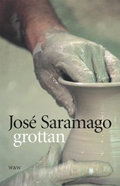
Den gamle krukmakaren Cipriano flyttar med sin dotter och svärson från hembyn till det gigantiska Centrum, ett slags centralstyrt lyckoland, in ständigt växande stad i staden, där allt ifrån butiker, bostäder, nöjen och egyptiska pyramider till krematorium ryms, och där invånarnas enda plikt är att inte ifrågasätta något. Så en natt får Ciprianos svärson i uppdrag att vakta ett mystiskt fynd i Centrums källare: en grotta med en eldstad, en stenbänk och fem mumifierade lik.Grottan är en nyskriven roman av portugisen José Saramago, en av vår tids stora berättare som 1998 tilldelades Nobelpriset i litteratur.
Turkey
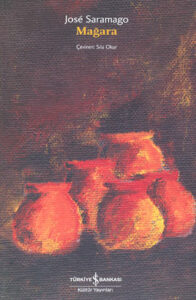
Kültür Yayinlar
Language
Turkish
Cipriano Algor küreği bir tarafa bıraktı ve ellerini küllere daldırdı. Pişmiş kilin ince, başka hiçbir şeye benzemeyen pürüzleri geldi
eline. Sonra biblolardan birini başparmağı, işaretparmağı ve ortaparmağıyla tutarak ana rahminden çocuk çıkarır gibi bir
hassasiyetle ayırdı. Hemşireydi çıkan. Biblonun gövdesindeki külleri silkeledi ve yüzüne üfledi, kilden heykelciğe kendi
soluğunu, kendi kalp atışlarım verir, canından can, kanından kan katar gibiydi…
Yaşlı çömlekçi Cipriano Algor kent yakınlarında bir köyde, kızı Martha ve Merkez'de güvenlik görevlisi olarak çalışan, ayda sadece birkaç gün onlara katılan damadıyla birlikte yaşamaktadır. Ailesi üç kuşaktan beri çömlekçilikle ekmeğini kazanan Algor, babasından kalma bir fırın, geleneksel aletler ve sevgiyle sürdürür üretimini. Güzellikleri basit adımlarla, binlerce yılın bilgisini harmanlayarak ortaya çıkarır. Ama ürettiklerini alabilecek tek yer olan Merkez arlık çömlek siparişi vermez. Çünkü çağın malzemesi plastiktir artık; plastik dayanıklıdır, ucuzdur, “güzel”dir. El emeği, göz nuru; ataların ruhunun imbiğinden süzülen çömlekler ise kolay kırılan, modası geçmiş nesneler!
Cipriano Aigor ile ailesinin “gerçek” ve “değerli olan”ı temsil ederek hâkim değerlere karşı verdiği mücadeleyi anlatan Mağara, Jose Saramago'nın en masalsı romanlarından biri ve okuruna büyüsünü kaybetmemiş bir dünyanın kapılarını açıyor.
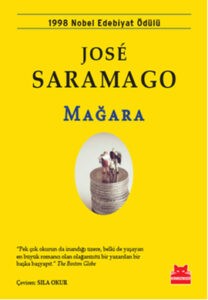
Kentlerde giderek yayılan dev alışveriş merkezlerinin ve yaşam sitelerinin hayatımızda yarattığı değişiklikler üzerine, Saramago'nun her zamanki incelikli üslubuyla kotardığı bir roman, Mağara. Günümüz dünyasının yükselen trendleri olan tüketim ve steril yaşam mekânlarının sembolü olan bir 'Merkez'le, basit, geleneksel ama hakiki duygularla dolu üretken yaşamın sembolü yaşlı bir çömlekçiyi karşı karşıya getiren büyük usta Saramago, basically harikalar diyarı olarak sunulan yaşam projelerinin insan ruhunun Platonik mağarasından öteye geçemeyeceğini gösteriyor.‘Proust'ta olduğu gibi, Saramago'nun cümlelerinden birinin içine çekilmek de, bir dolambaçtan biçim alan bir dünyaya çekilmektir.” The New York Times Book Review
“Hayatta kalma mücadelesi veren sıradan insanlara heyecanlı, muhteşem yazılmış, son derece büyüleyici, eski moda denebilecek kadar romantik, yer yer de çarpıcı bir bakış.” Book Magazine
(Tanıtım Bülteninden)
Vietnam
Lấy cảm hứng từ huyền thoại hang động trong đối thoại triết học của triết gia thời cổ đại Platon, José Saramago đã viết cuốn tiểu thuyết nổi tiếng Hang động để phê phán xã hội tiêu thụ noi riêng và chủ nghĩa tự do mới của chủ nghĩa tư bản hiện đại thông qua hình ảnh khủng khiếp của Trung tâm thương mại khổng lồ đang từng ngày từng giờ bành trướng về đất đai, về quyền uy, không “một thành phố trong một thành phố, nhưng lại to hơn chính cái thành phố kia”. phản ánh bước chuyển biến từ một xã hội nông nghiệp – thủ công nghiệp, sang một xã hội công nghiệp hóa, hiện đại hóa với tốc That's what you're going to do when you're on your way to what you're going to do. thoái lưỡng nan: khi mà lối sống thực dụng, thói quen tiêu thụ, triết lý thị trường của xã hội tư bản ngày càng phát triển, sinh ra những mối quan hệ mới, những thế giới quan mới, buộc người ta phải quen với một trạng thái nô lệ kiểu mới, “ai không điều chỉnh được sẽ không dùng được”, và cũng như trong tác phẩm của Platon, một số người thoát ra khỏi hang động này và kịp thời nhận ra có thể có một cách sống khác.Câu chuyện xoay quanh số phận của một gia đình ba đời làm nghề gốm ở một vùng que nghèo và đã bị Trung tâm đẩy vào bước Here you go mặt của chồng ở nhà và trên giường sáu đêm, ba ngày trong một tháng“, trước bước phát triển vũ bão của nền kỹ thuật, công nghiệp, cha with ông Cipriano Algor là những người thợ gốm cuối cùng cũng đành bỏ nghề, một nghề xưa nay vẫn có thể sản xuất ra của cải nay chỉ còn là một kỷ niệm, nhà xưởng biến thành nghĩa trang, sản phẩm thành di sản khảo cổ cho hàng ngàn năm sau. Họ chuyển vào sống ở Trung tâm, vốn là ước mơ của bao nhiêu người, trong gần ba tuần lễ, mà chẳng khác gì bị tù, để rồi người cha phải thốt lán, ”Làm sao mình có thể để bị nhốt trong suốt ba tuần mà không nhìn thấy mặt trời và các vì sao được nhỉ ?“, cuộc sống tự do đã thôi thúc họ từ bỏ tất cả, đi tìm một cuộc sống mới không chỉ cho họ mà cho cả con cái. Câu chuyện có ý nghĩ hiện thực sâu sắc, và cũng hết sức cảm động về mối tình vợ chồng, cha con, về tình yêu giữa hai người góa bụa được nẩy nở trong hoàn cảnh khó khăn cùng cực.Một cốt truyện giản dị, sâu sắc được kể một mạch như trong một độc thoại nội tâm dài. Phong cách viết tiểu thuyết của José Saramago hết sức độc đáo, ông thường viết những câu văn rất dài, dùng dấu chấm, dấu That's it for me không dứt, xem vào mạch chuyện ông thường đưa ra những nhận xét trên mọi bình diện của cuộc sống, có những ý kiến rất khó hiểu nữa, nhưng luôn được độc giả tiếp nhận một cách thích thú.
Cùng với hai cuốn tiểu thuyết Bệnh mù (1955) và Mọi cái tên, (1997) Hang động (2000) làm thành bộ ba tiểu thuyết nổi tiếng nhất yours José Saramago. That's right when you're on your way to XX.